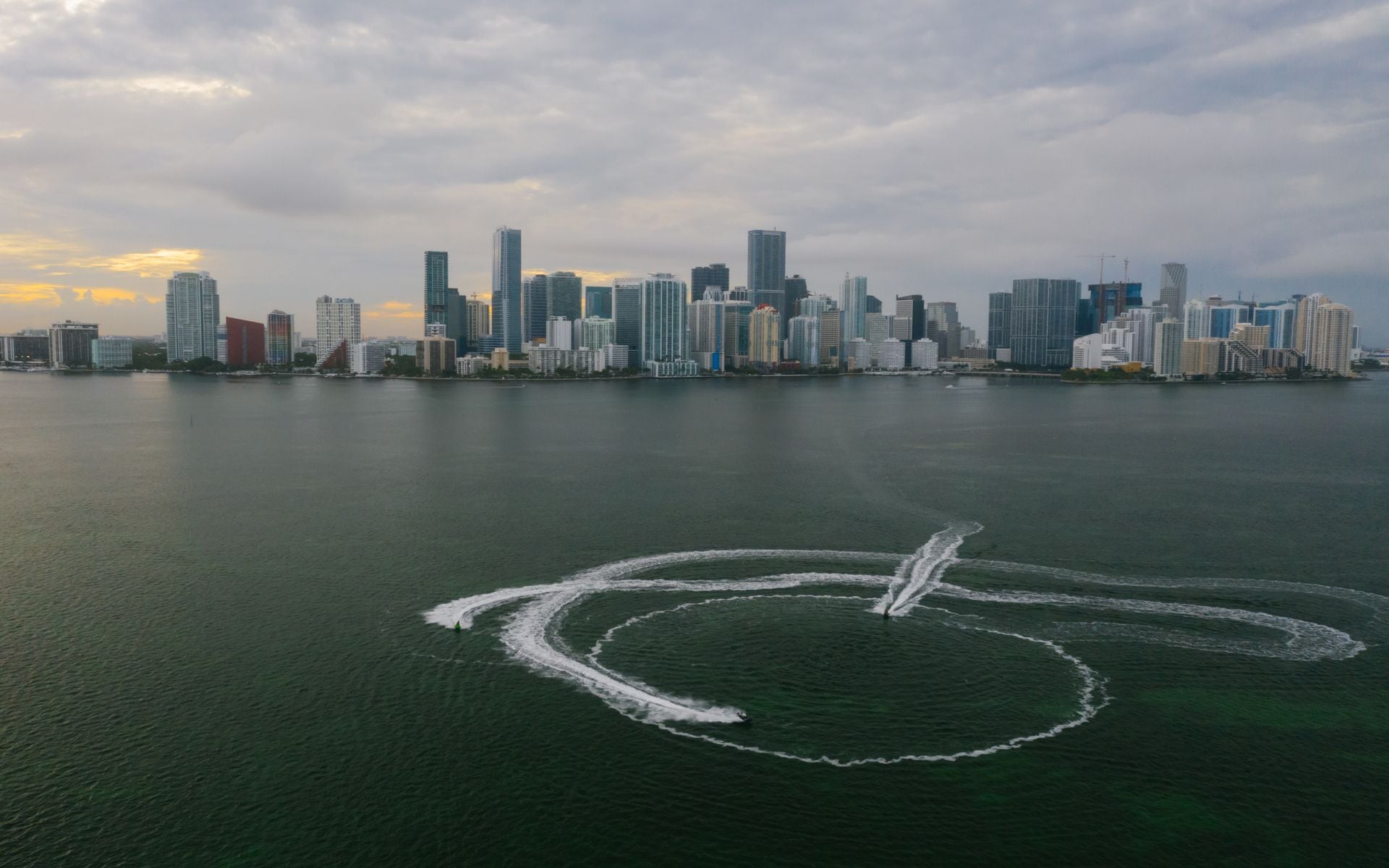
The hub of South Florida
Miami is the largest city in South Florida and the practical base for exploring the region. Miami International (MIA) is the main airport for the whole southern half of the state, and the city sits within an hour of the Everglades, Biscayne Bay, and the start of the Keys. Most visitors use it as a launch pad as much as a destination, spending a couple of days in the city and then fanning out.
The mainland city is distinct from Miami Beach across the bay. Downtown, Brickell, Wynwood, Little Havana, and Coconut Grove are all on the mainland, each with a different feel, while the beaches and Art Deco sit on the barrier island. Knowing which side you are on saves you a lot of causeway back-and-forth.
Neighborhoods worth your time
Wynwood is the arts district, best known for the Wynwood Walls and the open-air murals that cover the neighborhood, plus breweries, galleries, and restaurants. Little Havana along Calle Ocho is the heart of Cuban Miami, where you can get a cortadito, watch dominoes in Maximo Gomez Park, and eat classic Cuban food. Coconut Grove and Coral Gables bring old-Florida charm and the Italianate estate and gardens of Vizcaya on the bay.
Food is one of Miami's real strengths. CVI.CHE 105 in the Wynwood area serves fresh Peruvian ceviche, Rusty Pelican on the Rickenbacker Causeway toward Key Biscayne does upscale seafood and steaks over Biscayne Bay with a skyline view, and a Miami Culinary Tours walking food tour is a good way to eat your way through a neighborhood while learning its history. You can round it out with a Big Bus or boat tour to get the lay of the bay.
Using Miami as a launch pad
The best reason to base in Miami is everything within reach. The Everglades and its airboat country are about an hour west, Biscayne National Park is an hour south off Homestead, and the Overseas Highway to the Keys starts about an hour down the road. A smart South Florida itinerary might be two nights in Miami, a day in the Everglades, and then a drive south into the Keys.
Beaches are close too. The sand of Florida's best beaches is minutes across the causeway on Miami Beach, and Key Biscayne's beaches and lighthouse park sit just south of downtown. Between the city, the parks, and the water, Miami packs a lot of different Florida into a small radius.
When to visit and how to get around
Miami is warmest and busiest in the winter dry season, December through April, when the weather is dry and pleasant and prices peak. Summer is hot and humid with near-daily afternoon thunderstorms, cheaper rooms, and warm water. Hurricane season runs June through November, so watch the forecast in those months.
You will want a car for the parks, the Keys, and hopping between neighborhoods, though rideshare works well for a night out. Brightline runs fast trains north to Fort Lauderdale, West Palm Beach, and Orlando if you want to skip driving up the coast. Fly into MIA for the whole southern half of the state, or into Fort Lauderdale (FLL) as a nearby alternative.
Beaches, boat tours, and a day on the bay
Even though the famous sand is across the water on Miami Beach, the mainland has its own water time. Key Biscayne, just south of downtown, holds two state parks with calm beaches, a historic lighthouse, and bike paths, and it is home to Rusty Pelican on the causeway if you want a waterfront meal with a skyline view. It is a quieter alternative to the South Beach scene.
To see the city from the water, The Miami Experience Boat Party and other Biscayne Bay cruises run from the downtown marinas past the islands and mansions of the bay, and a Big Bus Tours Miami loop is an easy way to get oriented on your first day. Between the bay, the beaches, and the neighborhoods, a couple of days in Miami never feels thin.
Frequently asked questions
Is Miami a good base for visiting the Everglades and the Keys?
It is the natural base. The Everglades is about an hour west, Biscayne National Park is an hour south off Homestead, and the Overseas Highway to the Keys starts about an hour down the road. Miami International (MIA) is the main airport for the southern half of the state.
What neighborhoods should you visit in Miami?
Wynwood for its murals and arts scene, Little Havana along Calle Ocho for Cuban food and culture, Coconut Grove and Coral Gables for old-Florida charm and Vizcaya, and Brickell and downtown for dining and skyline views. Each has a distinct feel.
Do you need a car in Miami?
For the parks, the Keys, and moving between neighborhoods, yes. Rideshare works well for a night out, and Brightline runs fast trains north to Fort Lauderdale, West Palm Beach, and Orlando, but a rental car is the standard way to see the wider region.
When is the best time to visit Miami?
December through April is the dry, pleasant peak season with the highest prices. Summer is hot and humid with daily afternoon storms and cheaper rooms. Hurricane season runs June through November, so watch the forecast if you travel then.
How do you get from the airport into the city?
Miami International (MIA) sits about 20 to 30 minutes from downtown and Miami Beach outside rush hour. The MIA Mover connects the terminal to the rental-car center and the Metrorail station, and rideshare or taxi runs roughly 25 to 40 dollars to the beach depending on traffic and time of day. If you are only staying in the city and heading north to Fort Lauderdale or Palm Beach, Brightline runs from a downtown station and skips the drive up I-95 entirely.