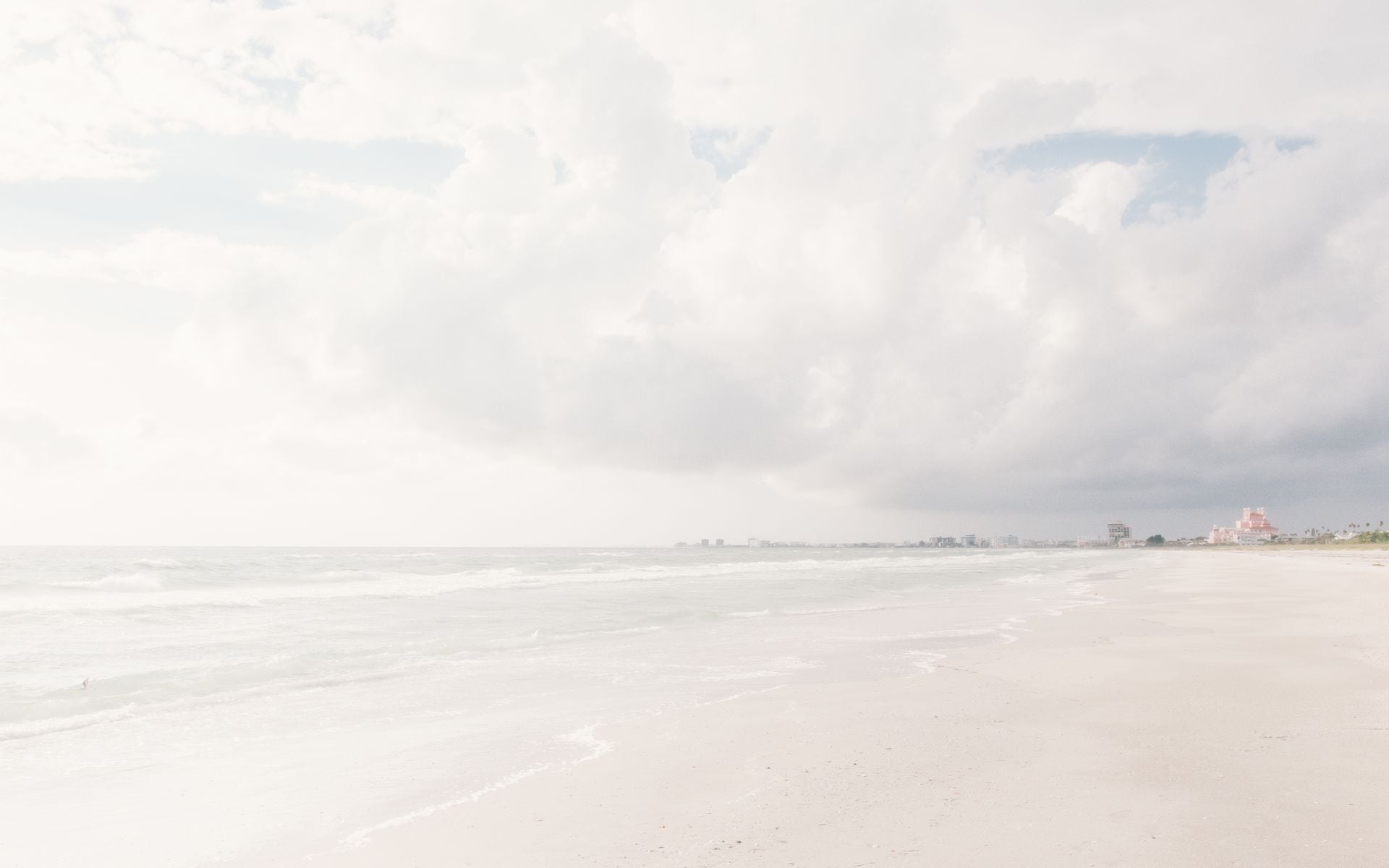
Gulf coast vs Atlantic coast: how to choose
Florida's two coasts have different personalities, and picking the right one saves you a long drive. The Gulf coast on the west runs calm, warm, and shallow, with the white quartz beaches of the Panhandle's Emerald Coast, Tampa Bay, Siesta Key, and the softer sand of Naples and Marco Island. The Atlantic coast on the east has bigger surf and the strip cities: Jacksonville and St. Augustine up north, the Space Coast at Cocoa Beach, and the metro beaches of Palm Beach, Fort Lauderdale, and Miami.
For young kids and calm swimming, the Gulf almost always wins because the water is flatter and warms up earlier in spring. If you want waves, a boardwalk scene, or an easy day trip from Orlando, the Atlantic is the call. Cocoa Beach sits about an hour east of the theme parks, which makes it the default beach break for a theme parks vacation.
| Feature | Gulf coast | Atlantic coast |
|---|---|---|
| Water | Calm, shallow, warm | Bigger surf, cooler |
| Sand | White quartz, powder soft | Tan, firmer |
| Best for | Families, shelling, sunsets | Surfing, boardwalks, day trips |
| Main airports | TPA, RSW, VPS, PNS | MIA, FLL, MCO, JAX |
Gulf coast beaches worth the drive
Siesta Key near Sarasota has the finest quartz sand in the state, cool underfoot even in July, and shallow water that stays swimmable for small kids. From Sarasota you can rent boards and kayaks through Siesta Key Watersports on South Tamiami Trail and paddle the calmer back bays on a windy afternoon. Clearwater Beach north of St. Pete has a wide swimming beach and a walkable pier scene, and it sits about 40 minutes from Tampa International (TPA).
Down in Naples, Delnor-Wiggins Pass State Park protects a quieter barrier-island beach with good swimming and a boat pass where anglers and dolphins work the tide, about 30 minutes from Southwest Florida International (RSW). The Panhandle's Emerald Coast around Destin and Fort Walton has the greenest water in the state during calm summer spells, roughly a 6.5 hour drive from Orlando or a short hop into Destin/Fort Walton (VPS).
The southwest islands of Sanibel and Captiva are the shelling capital of Florida. Low tide after a winter cold front piles the beach with whelks and cockles, and you will see people doing the slow, bent-over walk locals call the Sanibel Stoop.
Atlantic coast beaches and the surf side
Cocoa Beach is the closest ocean to Orlando and the heart of Florida's surf culture, with beginner-friendly waves most mornings and a long municipal pier. Farther south, the metro beaches of Fort Lauderdale and Miami Beach pair swimming with a full city behind them. In Key West, Fort Zachary Taylor Historic State Park has the best beach in the Lower Keys, with deeper water close to shore and shade under the pines, and it makes a natural stop on a Florida Keys road trip.
St. Augustine and the northeast beaches are firmer and wider, the kind you can drive on in a few spots, and the water runs cooler than South Florida through winter. If you want reef life instead of just sand, the Atlantic beaches near the Keys put you close to snorkeling and diving on the only living coral barrier reef in the continental US.
When to go and how to stay safe
The dry season, November through April, is the most reliable beach window: warm, sunny, and low humidity, though a winter cold front can drop the water into the 60s for a few days. May through October is hot and humid with near-daily afternoon thunderstorms that usually pass within an hour, so beach early and watch the sky by mid-afternoon.
Respect the beach flag system, especially on the Atlantic and the Panhandle where rip currents form. A single red flag means high hazard and a double red means the water is closed. Purple flags warn of jellyfish or other marine pests. The sun is strong year round, so bring shade and reapply sunscreen. For a ranked shortlist of the top stretches of sand statewide, see our best beaches in Florida guide, and for guided boat trips and beach shuttles check the tours and boat trips directory.
Beach logistics: parking, access, and gear
Most Florida beaches are free to walk on, but parking is where the cost lands, usually $5 to $25 for the day at popular municipal lots, which fill by mid-morning on weekends and holidays. Arrive before 10 am in peak winter season and summer to get a spot. State-park beaches like Delnor-Wiggins Pass near Naples and Fort Zachary Taylor in Key West charge a per-vehicle entrance fee of about $4 to $8 but reward you with cleaner sand and better facilities.
Public beach access points are marked with green-and-white signs and often have showers and restrooms, while resort stretches may limit parking to guests. Bring your own shade, since umbrellas rent for $25 to $40 a day and chairs add more. If you want to get out on the water, watersports outfitters and boat trips are listed in the tours and boat trips directory, and the wider trip picture starts on the Florida travel guide home page.
Frequently asked questions
Which Florida coast has the best beaches?
For soft white sand, calm water, and sunsets, the Gulf coast wins: Siesta Key, Clearwater, Destin, and Naples. For surf, boardwalks, and easy day trips from Orlando, choose the Atlantic side at Cocoa Beach or the metro beaches of Fort Lauderdale and Miami.
What is the best time of year for Florida beaches?
November through April brings warm, dry, sunny days with low humidity, though winter cold fronts can briefly cool the water. Summer is hot with near-daily afternoon storms that pass quickly, so plan beach time for the morning.
Are Florida beaches free?
Most public and municipal beaches are free to enter, but you usually pay for parking, often $5 to $25 for the day. State park beaches like Delnor-Wiggins Pass or Fort Zachary Taylor charge a per-vehicle entrance fee of roughly $4 to $8.
Where is the best shelling in Florida?
Sanibel and Captiva Islands on the southwest Gulf coast are the top shelling spots. The best hauls come at low tide, especially after a winter cold front pushes shells onto the beach.