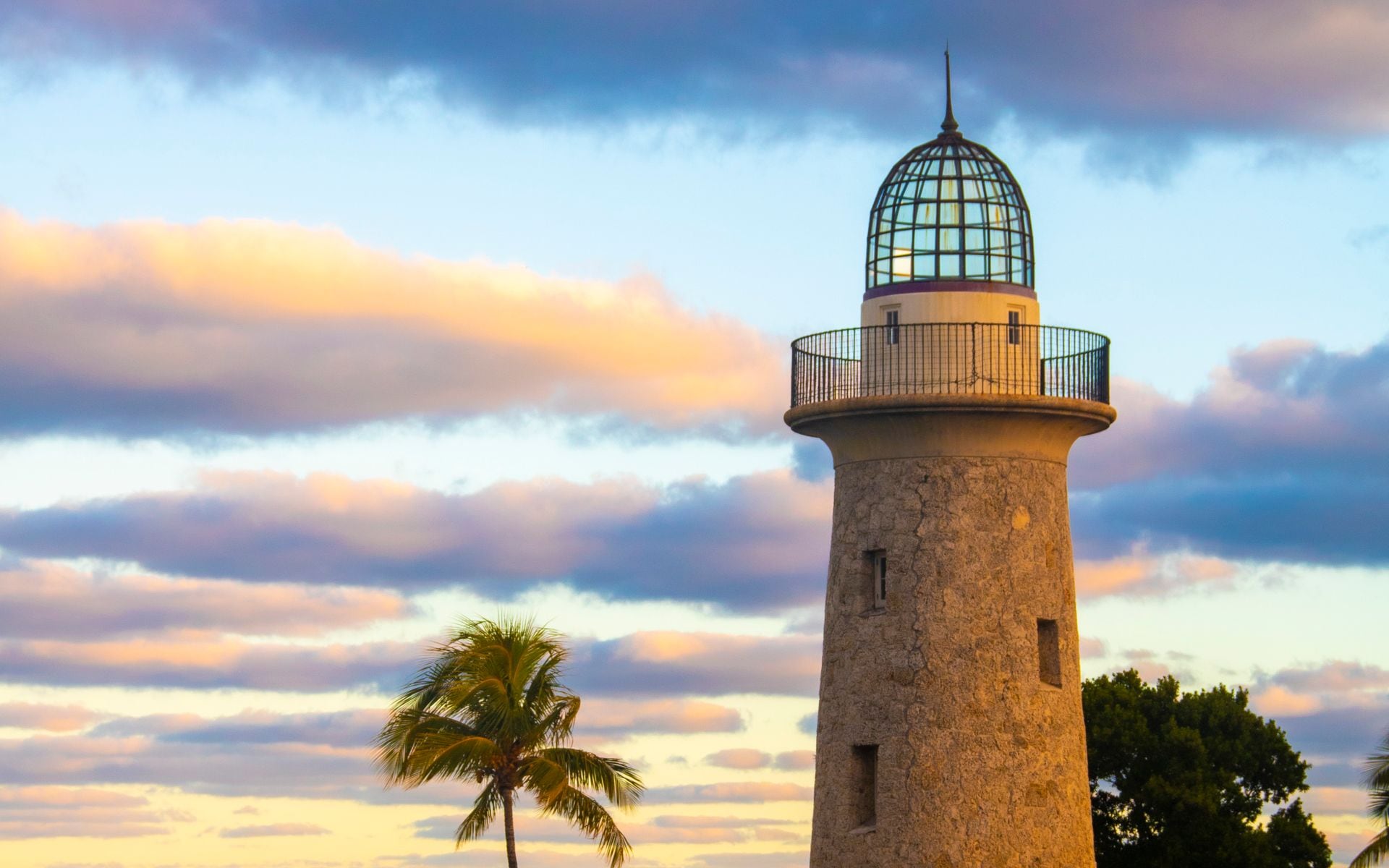
A park you reach by boat
Biscayne protects a stretch of Biscayne Bay, its mangrove coast, a run of the northern Keys, and living coral reefs, and almost all of it is underwater. The mainland base is the Dante Fascell Visitor Center near Homestead, about an hour south of downtown Miami. From the visitor center you can walk the shoreline, watch for manatees and tarpon along the jetty, and get oriented, but the reefs, islands, and wrecks are only reachable by boat trip or your own vessel.
Because the park is offshore, this is not a drive-through stop. It rewards visitors who book a snorkel, dive, or island trip, or who bring a kayak to paddle the mangrove edge. It sits in South Florida and pairs naturally with a Miami trip. To compare it against the state's other two parks, see the best national parks in Florida guide.
Snorkeling, diving, and the Maritime Heritage Trail
Snorkel and dive trips run from the Dante Fascell Visitor Center out to the reefs and the Maritime Heritage Trail, a set of six shipwrecks and the Fowey Rocks Lighthouse scattered across the shallows. Some wrecks sit in water shallow enough for snorkelers, while others are dive sites. The water is clearest in the summer calm, which is the flip side of the reef-diving calendar you will hear about elsewhere in the Keys.
Winter cold fronts are the main thing that can wreck your plans here. When a front blows through, the wind and chop can cancel boats for a day or more, so build a flexible day or two into your schedule between November and March. If the water is flat and clear, the reefs off Biscayne are as good as any easy-access snorkeling in the region. The broader national and state parks guide covers how the seasons shift what is worth doing in each park.
Combining Biscayne with Miami and the Everglades
Biscayne is close enough to Miami that most visitors treat it as a day trip. After a reef morning, you are an easy drive from the beaches and Art Deco of Miami Beach or the murals and Cuban cafes of Miami proper. A classic South Florida pairing is a water day at Biscayne and a land day next door in the Everglades, the two parks sitting less than an hour apart.
For food after a salt-soaked day, the Miami listings hold some good waterfront options: Rusty Pelican on the Rickenbacker Causeway toward Key Biscayne serves seafood and steaks over Biscayne Bay with a downtown skyline view, and in Wynwood, CVI.CHE 105 turns out fresh Peruvian ceviche if you want something lighter. Both put you back within reach of the park for a second day on the reef.
Planning notes and what to bring
There is no entrance fee to visit Biscayne, but the boat and snorkel trips are the real cost, and they book up on nice weekends, so reserve ahead. Bring reef-safe sunscreen, water, and a rash guard for sun protection on open water, and expect strong sun year round. If you are prone to seasickness, the bay is calmer than the open Atlantic, but still plan accordingly.
Because the park is mostly water, families with small kids or travelers who want to stay on land will get less out of Biscayne than out of the Everglades. If your group is up for snorkeling or a boat ride, though, this is one of the most rewarding half-days in South Florida, and one of the least crowded national parks in the country.
How Biscayne compares to the state's other parks
It helps to know what Biscayne is and is not before you commit a day. Unlike the Everglades next door, which you can experience on foot from boardwalks and a tram, Biscayne gives up almost nothing from shore. And unlike far-flung Dry Tortugas, which takes a full day and a ferry out of Key West, Biscayne is a quick hour from Miami, which makes it the most convenient of the three parks to slot into a city trip.
The trade-off is that a good visit depends on the boat trips and the weather cooperating. If you have only one park day and you want a sure thing on land, the Everglades is the safer pick. If you have flexibility and want reefs, wrecks, and clear summer water close to the city, Biscayne rewards the effort and stays refreshingly uncrowded compared with almost any other national park.
Frequently asked questions
Can you visit Biscayne National Park without a boat?
You can walk the grounds of the Dante Fascell Visitor Center near Homestead, watch for manatees and tarpon along the jetty, and picnic on shore, but the reefs, islands, and shipwrecks are only reachable by boat trip or your own vessel. To truly see the park, book a snorkel, dive, or island tour.
When is the water clearest at Biscayne?
Summer's calm spells bring the best water clarity. Winter cold fronts stir up chop and can cancel boats, so if you visit between November and March, keep your schedule flexible.
Is there an entrance fee for Biscayne National Park?
There is no entrance fee to the park itself. Your main costs are the boat, snorkel, or dive trips out to the reefs and islands, which should be booked ahead on busy weekends.
How far is Biscayne from Miami?
The Dante Fascell Visitor Center near Homestead is about an hour south of downtown Miami by car, which makes Biscayne an easy day trip from a Miami or Miami Beach base.