Siesta Key and Sarasota: the softest sand and the cultural anchor
Siesta Key has the standout sand on this coast: nearly pure quartz that is so fine it stays cool underfoot even at midday and regularly ranks among the best beaches in the country. Siesta Village handles the food and drinks, the Gulf water is calm and shallow, and it is one of the few beaches where the sand itself is the reason to come. To get out on the water, Siesta Key Watersports rents paddleboards and kayaks and runs guided tours, and CB's Saltwater Outfitters on the key runs inshore and backcountry fishing trips through the surrounding flats and passes. Public beach parking is free but fills by mid-morning in season, so arrive before 10 a.m. on winter weekends.
The barrier islands hang off Sarasota, the cultural anchor of the southwest coast. The Ringling Museum holds a serious art collection alongside the family's circus legacy, St. Armands Circle is the walkable shopping-and-dining hub, and the Marie Selby botanical gardens sit on the bayfront. Mote Marine Laboratory is a working research facility with an aquarium open to visitors, a good rainy-day or with-kids stop that is more substance than spectacle. For a mainland base a few minutes from the key, the Kompose Hotel Sarasota near University Parkway keeps rates lower than the beachfront resorts. Sarasota gives you a real town to come back to after a beach day.
Sanibel and Captiva: the shelling islands
Sanibel and Captiva Islands off Fort Myers are known worldwide for shelling, and it is not marketing. The islands run east to west rather than north to south, so they catch shells on the tide that other beaches never see, and you will spot the classic bent-over posture locals call the Sanibel Stoop at the waterline every morning. The J.N. Ding Darling National Wildlife Refuge covers much of Sanibel with mangrove and bird habitat you can drive, bike, or paddle, and the lighthouse beach at the island's tip is the prime shelling spot. Shelling is best at low tide and after a storm, so check the tide chart the night before.
These are low-key, no-high-rise islands by local rule, so the vibe is cottages and low resorts rather than towers. Nearby Fort Myers Beach is the more developed neighbor, with beachfront properties like the Pink Shell Beach Resort & Marina on Estero Island and charter docks such as Salty Sam's Marina running inshore trips for redfish and snook. Base on Sanibel for quiet and shelling, or on Fort Myers Beach for more amenities and easier charter access.
Naples and Marco Island: upscale beaches and golf
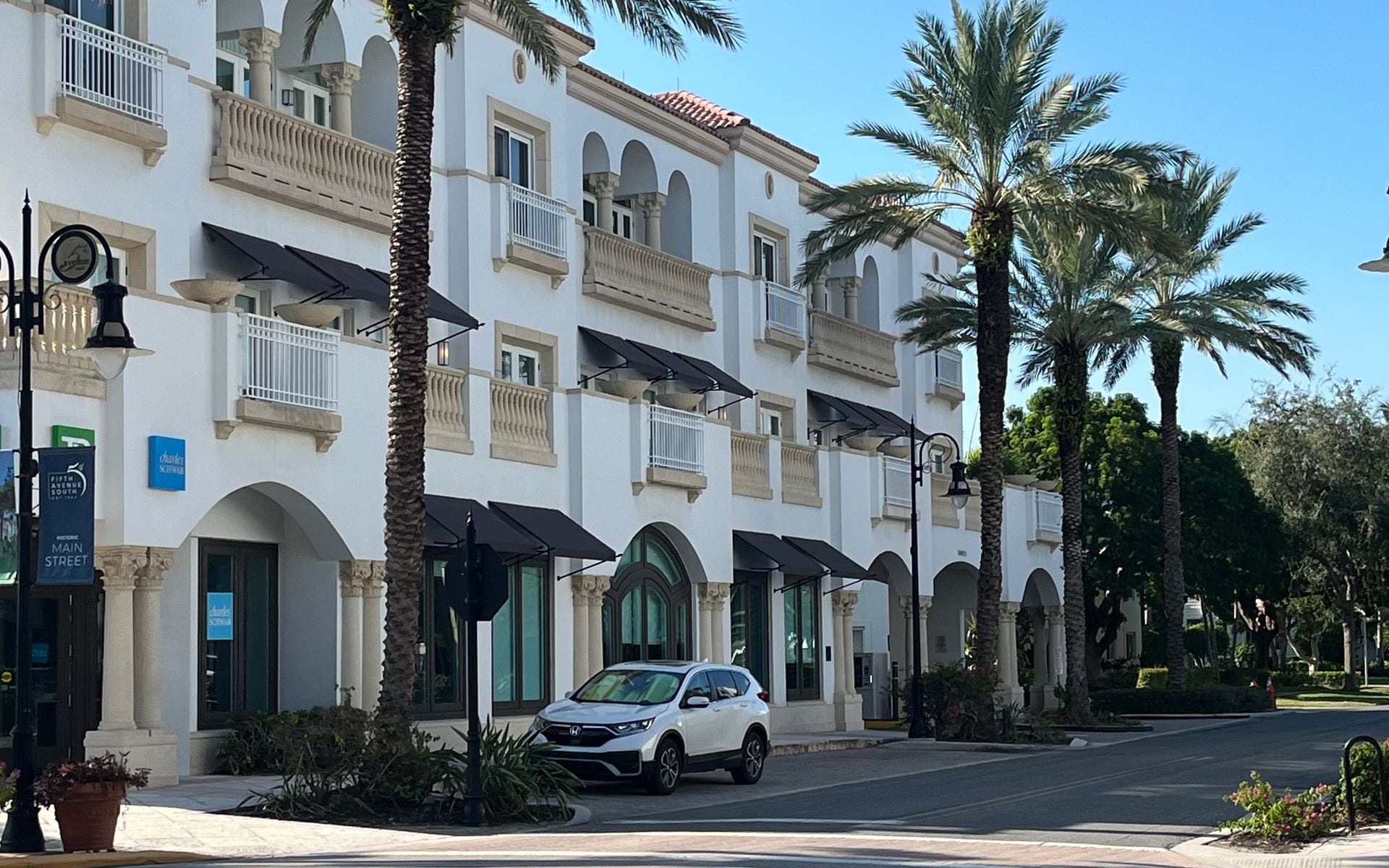
At the southwest corner, Naples is the upscale beach city, with a historic fishing pier, the Fifth Avenue South dining and shopping strip, championship golf, and some of the calmest Gulf sunsets in the state. It is also the western edge of the Everglades and Ten Thousand Islands, so backcountry and bay fishing is a short run out: Dalis Fishing Charters works from the Naples City Dock targeting tarpon, snook, and inshore species in the surrounding bays, and Pure Florida runs both fishing charters and sightseeing cruises from the Naples waterfront if you want dolphins and sunset instead of rods. For a quieter stretch of protected sand and dune, Delnor-Wiggins Pass State Park on the north end of Naples charges $6 per vehicle and rarely gets as crowded as the pier beaches. Just south, Marco Island adds a long crescent Gulf beach, resort hotels, and mangrove boat tours, with the beachfront JW Marriott Marco Island Beach Resort anchoring the golf-and-spa end of the market.
Golf is a genuine reason to visit this corner in winter, when the weather is dry and warm and the courses are in peak shape. If you are weighing this coast against the rest of the state's sand, the best beaches in Florida guide puts Siesta, Sanibel, and Naples in context so you can decide which stretch earns the drive.
Which Southwest Florida beach town fits your trip
This coast strings out over about two hours of driving, so most travelers pick one or two anchors rather than trying to see all of it. The table below sorts the main towns by what they do best and which airport serves them, so you can plan a loop that matches the trip.
| Town | Best for | Nearest airport | Feel |
|---|---|---|---|
| Siesta Key | Softest sand, easy swimming | SRQ (25 min) | Laid-back beach village |
| Sanibel / Captiva | Shelling, wildlife, quiet | RSW (45 min) | Low-rise, cottage pace |
| Naples | Upscale dining, golf, sunsets | RSW (40 min) | Polished, pricier |
| Marco Island | Resort beach, spa, golf | RSW (50 min) | Resort-focused |
A classic four or five night loop runs top to bottom, Siesta to Sanibel to Naples, giving you soft sand, shelling, and a polished town in one trip. The where to stay in Florida guide helps you decide how to split the nights across the coast.
When to go and how it all connects
The best window here is the dry season, roughly December through April, when the humidity drops, the water is clear on calm days, and the sunsets run reliably golden. That is also peak snowbird season, so book beach lodging and golf tee times well ahead, and expect winter beachfront rates of $250 to $500 a night that fall by a third or more in the summer off-season. Summer is hot and humid with near-daily afternoon storms, though the water is warm and the crowds thinner, and shelling on Sanibel is often best after a summer storm churns things up.
Getting here is easy: Southwest Florida International (RSW) near Fort Myers is the main airport, with Sarasota (SRQ) serving the northern end. Tampa is about 2.5 hours north of Naples if you fly into TPA instead. A rental car is essential, since the region strings out along the coast and the islands do not connect by transit. Many travelers loop it top to bottom, Siesta to Sanibel to Naples, over four or five days.
Frequently asked questions
Where is the best shelling in Southwest Florida?
Sanibel and Captiva Islands off Fort Myers are the shelling capital, thanks to their east-west orientation that catches shells on the tide. The lighthouse beach at Sanibel's eastern tip and the Captiva beaches are the prime spots, and shelling is often best at low tide and after a storm.
Which beach has the softest sand, Siesta Key or Naples?
Siesta Key. Its sand is nearly pure quartz, so fine it stays cool underfoot even in full sun, and it consistently ranks among the best beaches in the country. Naples sand is beautiful but a touch warmer and coarser, and Naples leans more upscale-town than pure-beach.
What airport should I use for Southwest Florida?
Southwest Florida International (RSW) near Fort Myers is the main hub, central to Sanibel, Fort Myers Beach, and Naples. Sarasota (SRQ) is closer to Siesta Key at the northern end. A rental car is essential to move between the beaches and islands.
Can you go fishing or take a boat tour in Naples?
Yes. Dalis Fishing Charters and Pure Florida both run from the Naples waterfront, covering backcountry and bay fishing for tarpon and snook as well as sightseeing and sunset cruises into the Ten Thousand Islands. Naples sits at the western edge of the Everglades, so the backcountry is a short run from the dock.
Is Southwest Florida good for golf?
Yes, especially Naples and Marco Island, which have championship courses that peak in the dry winter season from December through April. Resorts like the JW Marriott on Marco Island build golf into the stay. Book tee times ahead in high season.