St. Augustine draws most visitors for the history: the Castillo de San Marcos, the narrow streets of the old city, Flagler College, the Spanish colonial architecture that no other American city matches. The beach tends to come up as an afterthought, if at all. That is worth correcting. The beaches in St. Augustine sit on the Atlantic side of Anastasia Island, a long barrier island less than 10 minutes by car from downtown, and they split into three distinct spots with different personalities. Anastasia State Park is the wide, undeveloped option. The Town of St. Augustine Beach is the one with restaurants, a pier, and paid parking. Vilano Beach, north of the St. Augustine Inlet, is where the locals go when they want quiet. This guide covers all three so you can decide before you drive.
The geography: Anastasia Island and Vilano Beach
The St. Augustine Inlet cuts the barrier islands in two. South of the inlet is Anastasia Island, where the two main beach areas sit. The Bridge of Lions, the drawbridge on State Road A1A in the middle of downtown, takes you from the old city to Anastasia Island in five minutes. From that bridge, A1A runs down the island in both directions: the state park entrance is a short drive north, and the Town of St. Augustine Beach is about 4 miles south.
On the north side of the inlet, separate from Anastasia Island, Vilano Beach is a small beach community you reach by driving north from downtown on US-1 and turning east on Vilano Road, roughly 10 minutes from the historic district.
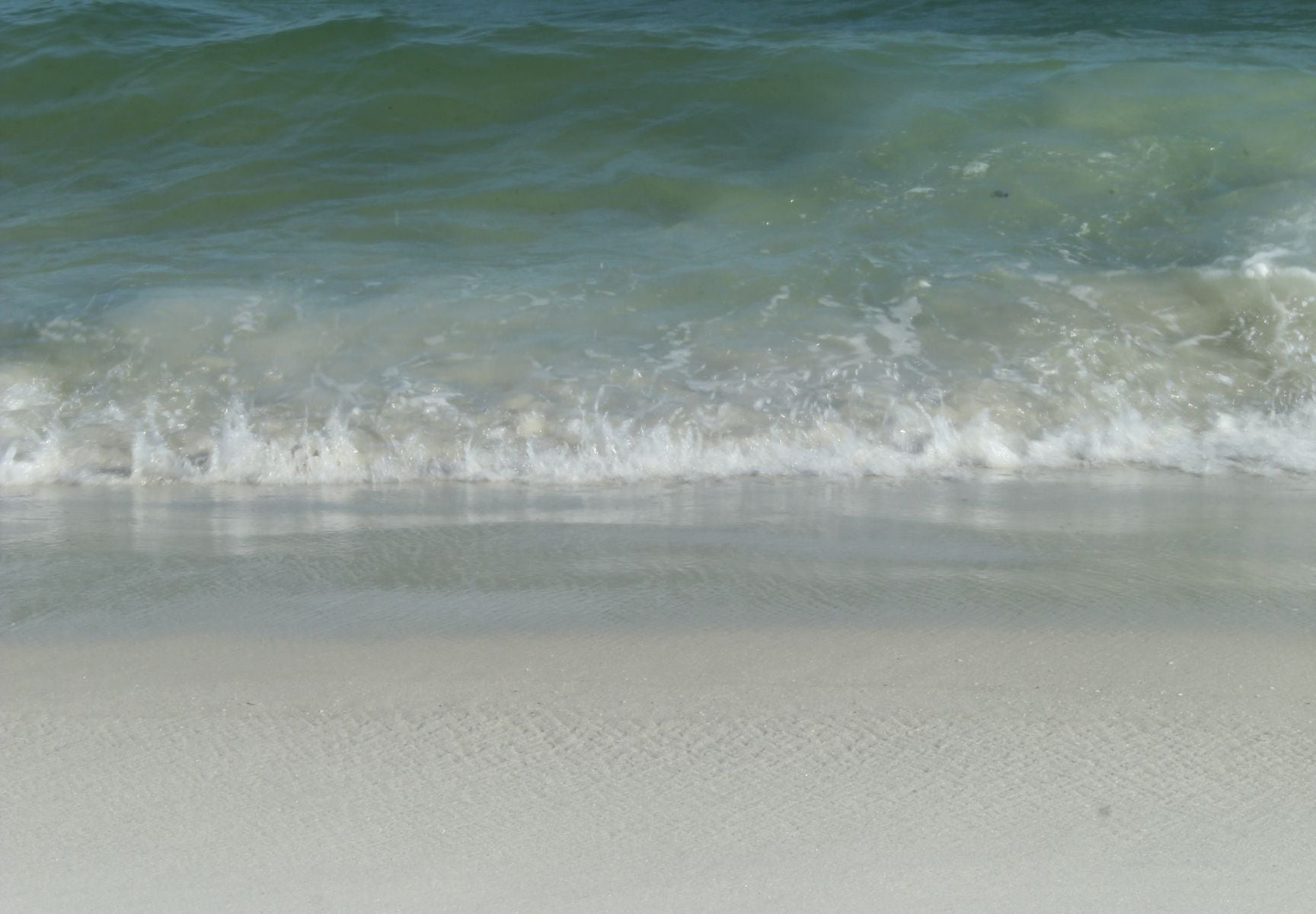
All three beaches are on the Atlantic coast, so expect real surf, breaking waves, and water that runs warmer in summer than in winter. This is a different beach from the Gulf Coast: the water is greener and choppier, and the sand is not the soft white quartz you find on the Panhandle. For a full breakdown of how the two coasts compare, see Gulf Coast vs Atlantic Coast Florida. The Atlantic beaches here are wide, less developed than most of the Florida east coast, and within easy reach of one of the most interesting historic cities in the country.
Anastasia State Park
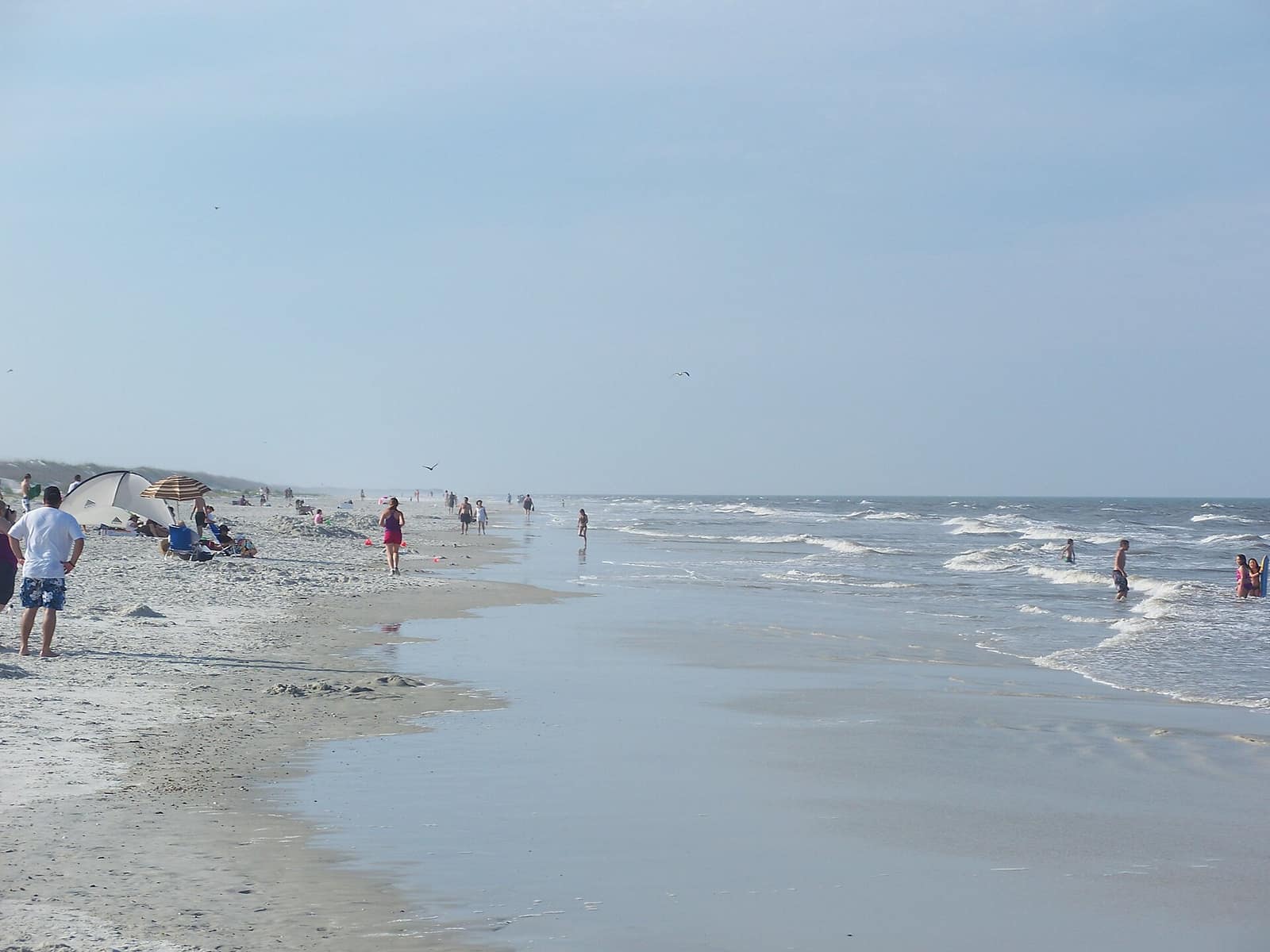
If you only have time for one beach stop, Anastasia State Park is the right call for most visitors. The park covers 4 miles of undeveloped Atlantic beach at the northern end of Anastasia Island, with dunes, sea oats, and no buildings in sight from the water. The day-use entry fee is $8 per vehicle. The gate closes when the parking lot fills, which happens before noon on summer weekend days and during spring break, so treat this as a morning trip: arrive at opening time and you get the best parking, the clearest water, and the most beach.
The beach is wide and the surf is generally manageable for swimmers on calm days. Lifeguards are on duty seasonally. Check the flag system when you arrive: green means calm conditions, yellow means moderate surf and current, red means strong currents, double red means the water is closed. On windy days, the surf can get significant, and the flag system is the honest real-time read.
The park also wraps around Salt Run, a shallow tidal lagoon on the west side of the island, separated from the Atlantic by the dune system. Salt Run is calm enough for kayaking, paddling, and beginning stand-up paddleboarding. The park rents kayaks, canoes, and paddleboards at the Salt Run launch, which makes a good alternative to swimming if the surf is rough or if you have kids who want moving water without waves. The Florida State Parks reservation and information page for Anastasia has current hours and fee details.
Camping is available in the park year round. The campground sits under twisted cedars close to the beach, and sites fill months ahead for spring break and the summer holiday weekends. Book through the Florida State Parks reservation system early if you want to stay overnight inside the park.
St. Augustine Beach town
About 4 miles south of the state park entrance, the Town of St. Augustine Beach is the most developed beach option on the island. A compact strip of restaurants, bars, and shops runs along A1A, and the St. Johns County Ocean Pier (commonly called the St. Augustine Beach Pier or simply “the pier”) is the landmark at the center of the town beach. The pier runs about 700 feet into the Atlantic. You can walk it for free; fishing from the pier costs a small daily fee.
The main beach access is around 1st Street and the pier area, where metered parking fills quickly on summer weekends. Arrive before 9am or be prepared to walk from one of the secondary lots further along A1A. The beach here is narrower than the state park section but still wide enough at low tide. Lifeguard coverage is seasonal.
The advantage here is amenities. If you want to eat lunch without driving back to downtown or grab something cold after swimming, the town has options within walking distance of the water. The trade is density: on a July Saturday this is the busiest stretch of beach in the area, and the parking situation reflects that. If you are traveling with a group that needs food and restrooms close by, this is the practical choice. For a quieter day, head to the state park instead.
Vilano Beach
Most visitors to St. Augustine skip Vilano entirely, which is what keeps it quiet. The beach sits north of the inlet, a short drive from downtown, and draws mostly local residents who want a low-key afternoon at the water. Vilano Beach Oceanfront Park has restrooms, outdoor showers, picnic shelters, a small boardwalk over the dunes, and free public parking. Free parking on a Florida beach within 10 minutes of a major city is not a small thing.
The beach here is narrower than Anastasia’s, and the surf can pick up, which makes it a decent option for beginning surfers on the right day. Several surf schools operate in the area and rent boards by the hour. If you are staying downtown and want a quick beach afternoon without the state park entry fee or the pier-area parking battle, Vilano is worth knowing about. See the North Florida region guide for how it fits into a longer trip through Jacksonville, Amelia Island, and the First Coast.
Butler Beach and the historical layer
About 8 miles south of the St. Augustine Beach pier, Butler Beach is worth including on any honest account of beaches in this area. In the 1920s, Frank Butler, a Black businessman from St. Augustine, purchased land on Anastasia Island and developed one of the very few beach areas in Florida accessible to African American visitors during the Jim Crow era. At a time when the most popular Florida beaches explicitly excluded Black swimmers, Butler Beach offered access, shade, and facilities.
Today the beach is managed by St. Johns County as a public beach park, open to everyone, with restrooms and picnic areas. The beach itself is similar to the rest of the island. The visit carries more weight than just a swim: St. Augustine is a city where that history runs close to the surface, and Butler Beach makes it visible in a way that the Castillo and the colonial-era buildings do not.
Best time to go
Atlantic coast water temperatures off St. Augustine run warmest from June through October, roughly 78 to 84 degrees Fahrenheit, and drop below 70 degrees in winter. The Gulf Coast dominates Florida’s winter beach market for exactly that reason: the Gulf stays warmer on the west side. For swimming on the Atlantic, the reliable window is May through October.
Spring (March through May) is the most comfortable window weather-wise: lower humidity than summer, water warming up, and the afternoon storm pattern not yet established. Spring break in March and April brings the most concentrated crowds to Anastasia State Park and the pier area. If you want a spring beach day with fewer people, come in late April or May after schools are back.
Summer is hot and humid, with near-daily afternoon thunderstorms that build in the heat and typically pass in an hour. Beach mornings are reliably good; get there early and plan to finish before early afternoon when storms develop. Water is warm and sea turtles nest along the beach in June and July, so you may see a marked nest on the dunes.
Fall is underrated. September and October bring fewer crowds, lower humidity as the season shifts, and water that is still warm enough to swim through most of October. Hurricane season peaks August through October, so check the forecast before booking fall travel, but most trips are unaffected. For a full month-by-month breakdown for both coasts, see best time to visit Florida beaches.
Getting there and where to stay
From downtown St. Augustine, the Bridge of Lions on A1A is the main route to Anastasia Island. It is a drawbridge and opens for tall boat traffic occasionally, which can create a short wait. From the bridge, Anastasia State Park is a few minutes north; St. Augustine Beach is about 4 miles south on A1A. For Vilano Beach, head north from downtown on US-1 and turn east on Vilano Road.
There is no public transit to any of the beaches from downtown. You need a car or a rideshare. Since the old city itself is compact and walkable, many visitors park once in a downtown garage and rideshare to the beach rather than move the car twice in a day.
Staying on Anastasia Island puts you close to the water. The cluster of hotels and vacation rentals around the pier area in St. Augustine Beach gives you walking access to the beach and a short drive to downtown. Staying in the old city is equally reasonable if the historic district is your main focus and the beach is a half-day addition.
For the broader picture of Florida beaches around the state, or to build the rest of the trip around the days you want to spend at the water, the Florida travel guide has the full planning framework.