Florida has two coasts, and they do not feel like the same state. The Gulf coast on the west is calm, warm, and shallow, with sand so white it can hurt your eyes at noon. The Atlantic coast on the east has bigger surf, more wind, and the string of metro cities that most people picture when they think Florida. Picking the right side is the single biggest decision in planning a beach trip here, so let’s put them next to each other and settle it.
The quick comparison
| Factor | Gulf coast (west) | Atlantic coast (east) |
|---|---|---|
| Water | Calm, warm, shallow, clear in calm spells | Bigger surf, more current, cooler in winter fronts |
| Sand | White quartz, very fine | Tan to golden, firmer |
| Sunset | Over the water | Over the land (sunrise is the show) |
| Vibe | Slower, resort towns | Bigger cities, more nightlife |
| Best for | Families, swimmers, shellers | Surfers, city lovers, cruise add-ons |
| Main airports | TPA, RSW, SRQ | MIA, FLL, PBI, MCO nearby |
Neither side is better. They are built for different trips. Below is how to read the differences.
The water and the beaches
If you want to walk into warm, waist-deep water and just stand there, the Gulf wins. The west coast is shallow and calm, which is why families with small kids and anyone who wants to swim rather than fight waves gravitate there. Siesta Key near Sarasota has some of the finest white quartz sand in the country, the kind that stays cool underfoot. Clearwater, St. Pete Beach, Naples, and Marco Island all share that soft-sand, gentle-water character. Down in Sarasota you can rent from Siesta Key Watersports or visit Mote Marine Laboratory when the sun gets to be too much.
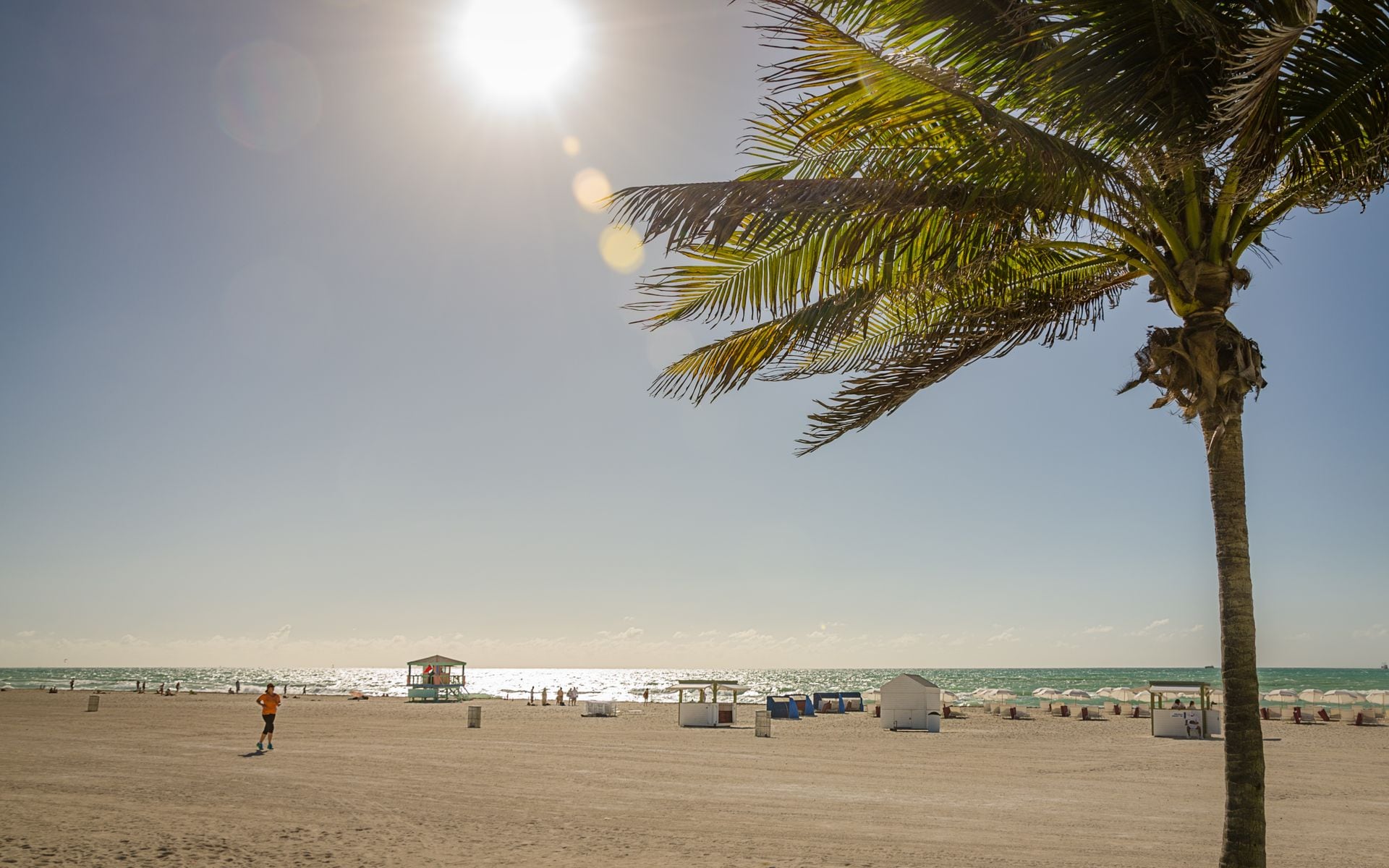
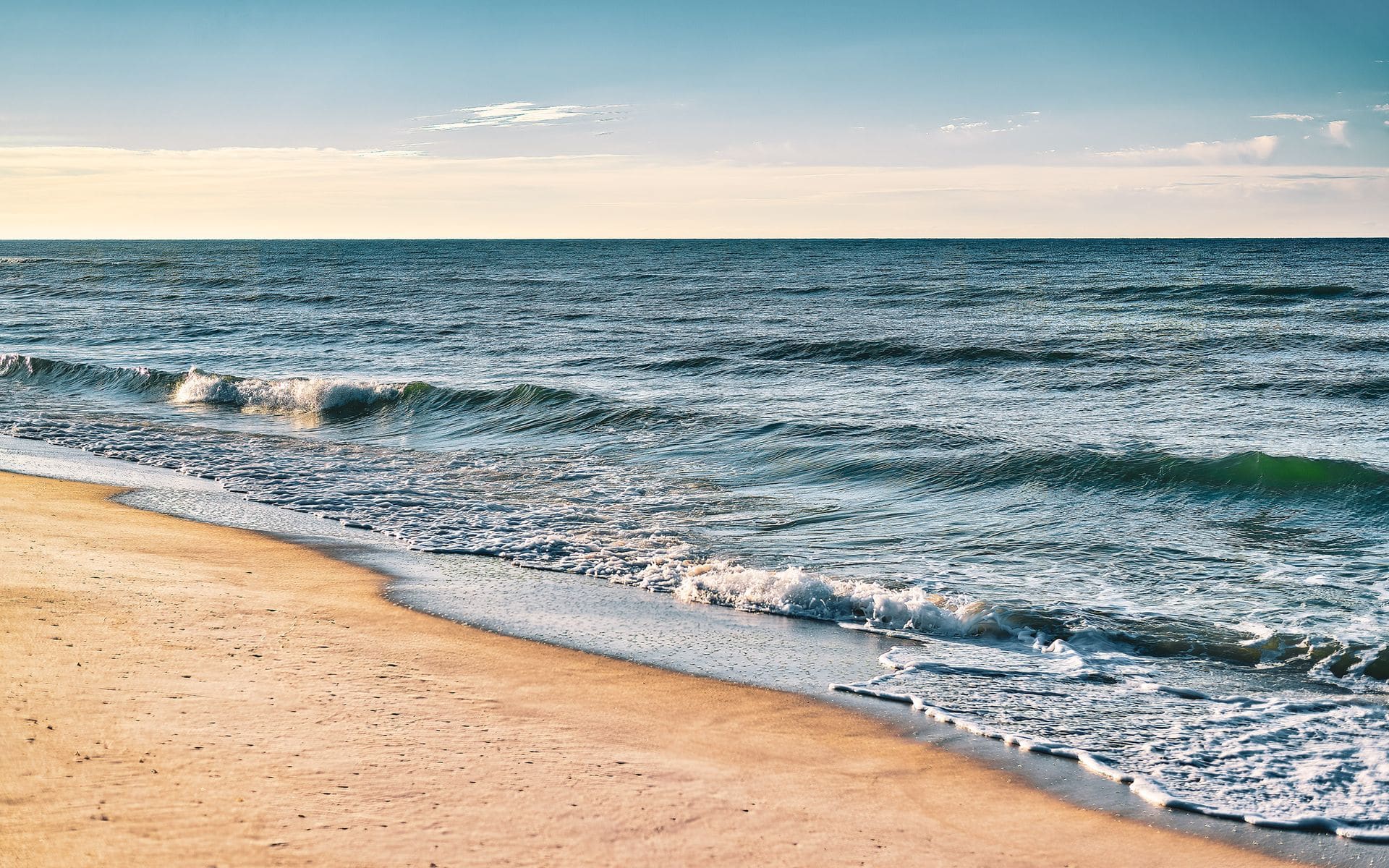
The Atlantic side trades calm for energy. The surf is bigger, the water pushes and pulls more, and there is more wind. That makes it the surfing coast, from Cocoa Beach down through the strip cities. The sand runs tan and firm rather than powder white. In winter, cold fronts drop Atlantic water temperatures faster than the Gulf, so January swimming is more of a Gulf thing. Check beach flag warnings on both coasts, but especially the Atlantic and the Panhandle, where rip currents are the real safety concern. For a fuller side-by-side, our Gulf coast vs Atlantic coast planning page goes deeper on each region.
Sunsets, and why they matter here
This sounds small until you are there. On the Gulf coast the sun sets over the water, so every clear evening is a show. Key West built an entire nightly tradition around it at Mallory Square. On the Atlantic coast the sun sets behind you over the land, and the water performance is at sunrise instead. If a drink-in-hand beach sunset is central to your idea of a Florida trip, that alone tilts you toward the west coast.
The towns and the drives
The Atlantic coast is where Florida’s big cities line up: Jacksonville and historic St. Augustine in the north, the Space Coast at Cocoa Beach and Cape Canaveral, then the metro sprawl of Palm Beach, Fort Lauderdale, and Miami. This is the side for city energy, Art Deco, Cuban food, and nightlife. In Miami you can book a food walk with Miami Culinary Tours, eat ceviche at CVI.CHE 105, or catch the harbor at Rusty Pelican Miami. Up in St. Augustine, Old Town Trolley Tours St Augustine covers the oldest city in the country.
The Gulf coast leans quieter and more resort-driven. The towns are smaller and the pace is slower. Your evening is dinner and a sunset, not a club. McGuire’s Irish Pub of Destin and Fudpucker’s Beachside Bar & Grill up in the Panhandle are as loud as it gets in most Gulf beach towns, and that is the point.
Drives matter too. The interstates are the spine: I-95 runs the Atlantic side, I-75 runs the Gulf side and cuts across Alligator Alley to Miami. Crossing between coasts is a real drive. Tampa to Miami is about 4 hours. Orlando to Cocoa Beach on the Atlantic is only about an hour, which is why Orlando visitors usually hit the east coast for their beach day. Tampa to Naples down the Gulf is about 2.5 hours.
Airports and where to fly
Where you fly in should follow which coast you want. For the Gulf beaches, fly into Tampa (TPA), Southwest Florida (RSW) near Fort Myers, or Sarasota (SRQ). For the Atlantic and the southeast, Miami (MIA), Fort Lauderdale (FLL), and Palm Beach (PBI) are your hubs, with Orlando (MCO) close to the northern Atlantic beaches. Do not fly into Miami for a Naples trip and eat a cross-state drive on day one.
Wildlife and the water experience
The two coasts also differ under the surface. The Gulf side is the shelling coast, with Sanibel and Captiva islands famous for the shells that wash up on the low-energy beaches. It is also the calmer water for kayaking, paddleboarding, and dolphin-watching, and the launch point for the Nature Coast springs and manatees farther north. Fishing runs deep here too, with flats and backcountry guides working the shallows and party boats like Hubbard’s Marina out of the Tampa area running Gulf trips.
The Atlantic side is the surfing and offshore coast. The bigger water means better waves for surfers, especially around Cocoa Beach, and the Gulf Stream running close offshore makes for strong deep-sea fishing out of ports up and down the east side. It is also the coast for wildlife of a different kind: sea-turtle nesting beaches in summer, and the rocket launches of the Space Coast that you can watch right from the sand at Cocoa Beach. Neither coast is short on things to do on the water. They just do different things.
Food and culture
Culturally the coasts diverge as much as the water does. The Atlantic side, and Miami especially, is where Florida’s Cuban and Latin American food scene concentrates. You can eat Cuban at Havana Vieja in Miami Beach, ceviche at CVI.CHE 105, or take a guided food walk with Miami Culinary Tours. Up in Tampa on the Gulf side, the Columbia Restaurant has served Spanish and Cuban food since 1905, a reminder that the west coast has its own deep food history around Ybor City. The Panhandle Gulf towns lean toward fresh Gulf seafood and casual beach bars, while Miami leans fine-dining and late nights. Match the coast to the kind of evenings you want.
Where to base yourself on each coast
Your hotel choice follows the coast, and the two sides book very differently. On the Gulf, Clearwater Beach is the easy mid-range base, with the Hyatt Regency Clearwater Beach Resort and Suites and Opal Sands Resort & Spa both sitting right on the sand. Down the coast, the Island Grand at TradeWinds in St. Pete Beach bundles pools and kids’ programming for families, the Pink Shell Beach Resort & Marina anchors Fort Myers Beach, and the JW Marriott Marco Island Beach Resort is the splurge at the southern end near Naples. These run cheaper than their Atlantic equivalents outside peak winter, and the water off the doorstep is the calm, swimmable kind.
On the Atlantic, the money concentrates in Miami Beach, where the Fontainebleau Miami Beach and Loews Miami Beach Hotel are the marquee South Beach addresses and price like it. North of the metro, Daytona Beach is more affordable, with the Hard Rock Hotel Daytona Beach on the sand, and Palm Beach holds the high end at The Breakers Palm Beach. Golfers should note both coasts deliver, but the Atlantic side leans into the famous resort courses, with The Breakers and the Ponte Vedra Beach area near Jacksonville stacked with play. A rough rule: for a calm-water family week on a mid-range budget, base on the Gulf. For city nights, nightlife, and the biggest-name hotels, base on the Atlantic and accept the premium. Whichever you pick, book a beachfront room in the shoulder season, roughly April to early June or late October, to shave a third off the winter rate.
Which side wins for you
Choose the Gulf coast if you want calm warm water you can swim in, powder-soft sand, slow resort towns, and sunsets over the water. It is the family-and-relaxation coast.
Choose the Atlantic coast if you want surf, big cities, nightlife, Cuban and Art Deco Miami, the Space Coast, and easy cruise-port add-ons. It is the energy coast.
And if you cannot choose, do both, but budget the cross-state drive and give yourself the days for it. A ten-day loop can fold in both coasts plus the Keys. See how many days you need in Florida to size it, check the best time to visit Florida for your window, and start from the Florida travel guide to map the whole thing.