Florida is built for road trips. It is flat, well-signed, and packed with places that sit at the end of a good drive rather than a flight. The state runs about 450 miles north to south, with two very different coasts and the Keys arcing off the bottom, so you are never short of a route. These are five road trips worth building a vacation around, with the real drive times, the stops that break them up, and where to eat and sleep along the way.
Use this alongside the Best Places to Visit in Florida guide and the main Florida Travel Guide to slot a route into a full trip.
1. The Overseas Highway to Key West
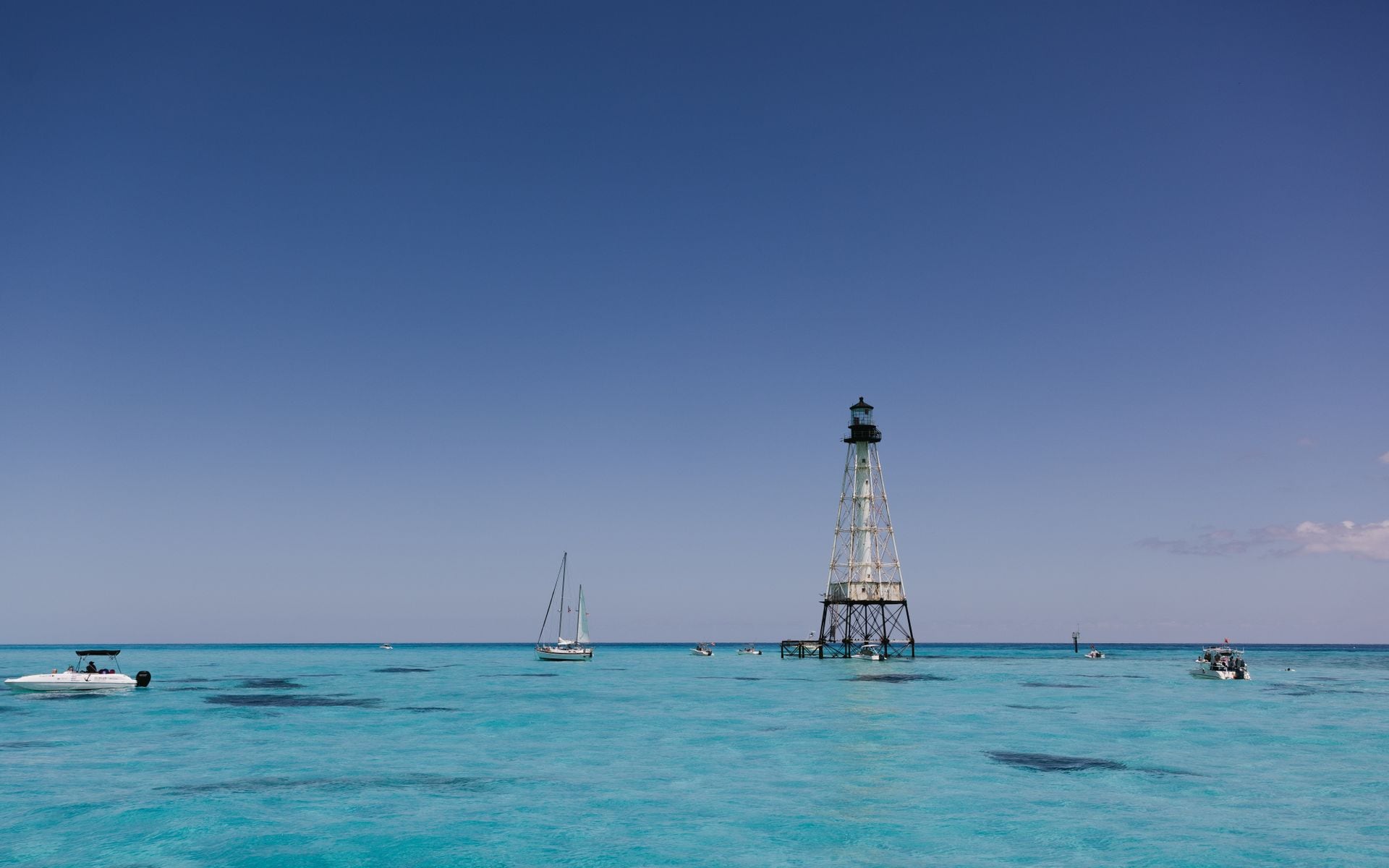
This is the classic. US-1 runs 113 miles from the mainland out to Key West, hopping island to island across 42 bridges, including the Seven Mile Bridge. Miami to Key West is about 3.5 to 4 hours if you drive it straight, but the point is not to drive it straight.
Break it up. In Key Largo, John Pennekamp Coral Reef State Park protects the only living coral reef in the continental US and is the first great snorkel stop. In Islamorada, pull off at Robbie’s of Islamorada to hand-feed the giant tarpon off the dock. If you want to overnight partway, Gilbert’s Resort & Marina in Key Largo sits right on the water at the top of the chain. Give this trip at least two nights in Key West at the end so the drive is worth it. Our Key West first-timers guide covers what to do once you arrive.
2. Tampa to Naples down the Gulf coast
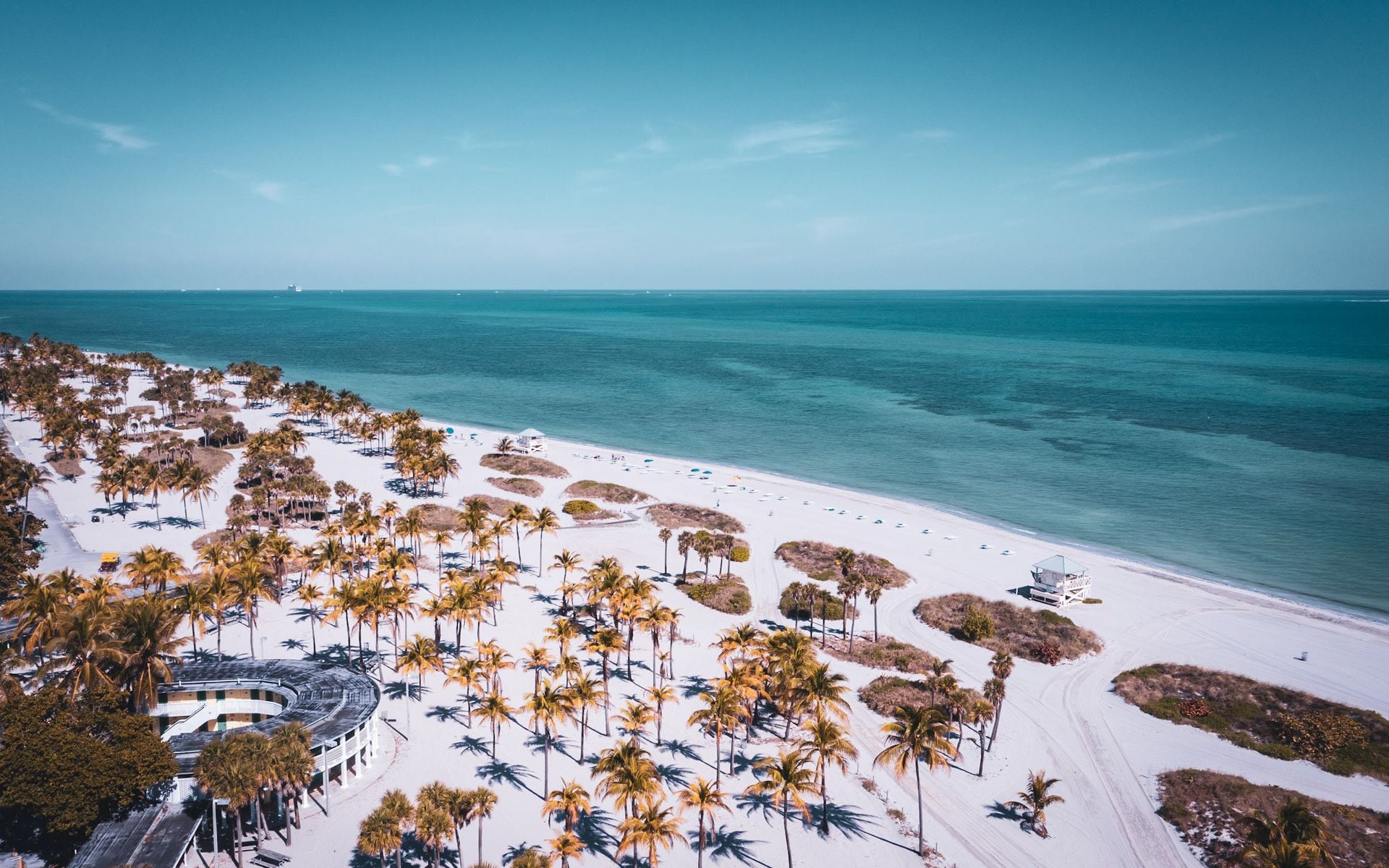
The Gulf coast is calm-water, white-sand road trip country, and the run from Tampa down to Naples on I-75 is about 2.5 hours of it, or longer if you take the coastal roads and stop at the beaches. This is the trip for soft sand and easy water.
Start in the Tampa and St. Petersburg area, where the Island Grand at TradeWinds puts you on the beach and the Columbia Restaurant, Florida’s oldest, does Spanish food that has been on the menu since 1905. Drop south to Siesta Key near Sarasota for the softest sand in the state, then on to Naples, where Delnor-Wiggins Pass State Park is the beach locals send you to, with $8 parking and clear water at the pass. The JW Marriott Marco Island Beach Resort anchors the southern end. For the full beach rundown, see our best beaches on the Gulf Coast guide.
3. The A1A up the Atlantic coast
For a different feel, drive Florida’s Atlantic coast on scenic route A1A, which hugs the ocean where the interstate cuts inland. The stretch from the Space Coast up to historic St. Augustine is the pick. This is bigger-surf, strip-town Florida with a lot of history at the top end.
St. Augustine is the oldest city in the US, founded in 1565, and it rewards a slow day. Old Town Trolley Tours St Augustine gets you oriented through the old streets and the fort, and TPC Sawgrass just north is one of the most famous golf courses in the country if you want to work a round into the drive. Time it right and you can catch a launch from the Space Coast at Cocoa Beach on the way north. The whole run is a comfortable two- to three-day trip.
4. Orlando to the Everglades and across Alligator Alley
If you want variety in one drive, this route goes from the theme-park middle of the state down through the wild southern tip. From Orlando, head south and pick up the Everglades either at the eastern entrances near Miami or the Gulf Coast entrance near Naples. The full Everglades National Park guide covers the three entrances and the airboat tours just outside the park boundary.
The signature stretch is Alligator Alley, the section of I-75 that runs 80 miles dead straight across the Everglades between Naples and Miami. There are almost no exits and no gas for long stretches, so fill up first, but the wall of sawgrass on both sides is unlike any other interstate in the country. Read the Everglades National Park guide before you go so you know which entrance fits your route.
5. The Panhandle Emerald Coast run
The Panhandle is its own world, far enough from the rest of Florida that it works as a standalone trip. The Emerald Coast drive from Pensacola through Destin along US-98 gives you the whitest sand in the state, pure quartz that stays cool underfoot, and green-blue water that earns the coast its name.
This is a food-and-beach crawl. In Destin, Fudpucker’s Beachside Bar & Grill and McGuire’s Irish Pub of Destin are the institutions, and in Pensacola, Shaggy’s Pensacola Beach and the seafood counter at Joe Patti’s Seafood are worth the stop. Boogies Watersports runs the dolphin cruises out of Destin harbor. Fly into VPS or Pensacola for this one rather than driving over from the south, because Pensacola to Orlando alone is about 6.5 hours.
Road trips at a glance
| Route | Length | Drive time | Best for |
|---|---|---|---|
| Overseas Highway to Key West | 113 miles | 3.5 to 4 hrs one way | Bridges, snorkeling, end-of-road feel |
| Tampa to Naples (Gulf) | ~160 miles | 2.5 hrs plus stops | White sand, calm water |
| A1A Atlantic coast | Varies | 2 to 3 days | Beaches and history |
| Orlando to the Everglades | ~250 miles | Full day with stops | Wildlife, sawgrass, variety |
| Panhandle Emerald Coast | ~50 miles | 1 hr plus beaches | Whitest sand, seafood |
Planning any Florida road trip
A rental car is the whole game here, so read the renting a car in Florida guide for the toll rules, airport pickups, and one-way drops that make these routes work. Match your airport to your route so you are not burning a day transferring across the state, and set a realistic pace: the how many days do you need in Florida guide will keep you from cramming both coasts into one week.
How long to give each route
The most common road-trip mistake in Florida is underestimating the drives and cramming too much in. The state is bigger than it looks. Here is a realistic amount of time for each of these routes so you are not spending the whole vacation behind the wheel.
The Overseas Highway to Key West deserves at least three days: one to drive down with stops, two in Key West. The Gulf coast run from Tampa to Naples works as a four- to five-day beach crawl if you overnight in two or three towns. The A1A Atlantic route is a comfortable two to three days with a night in St. Augustine. The Orlando-to-Everglades loop is a long single day of driving or better as an overnight, and the Panhandle Emerald Coast run is a standalone three- to four-day beach trip out of Pensacola or VPS. Trying to chain more than one of these in a single week means too much time in the car and not enough on the sand.
Where to break up the long drives
Long Florida drives are more fun with the right stops built in. On the Overseas Highway, the mile markers count down from Key Largo, and the pull-offs at John Pennekamp Coral Reef State Park, Robbie’s of Islamorada, and the Seven Mile Bridge overlook are the classics. On the Gulf run, the beaches themselves are the stops, with Delnor-Wiggins Pass State Park near Naples and the shelling beaches off Sanibel worth a detour. On the Atlantic route, St. Augustine’s old town and the Space Coast beaches near Cocoa break up the miles.
Fuel and food are the practical part. Fill up before Alligator Alley and before the long empty stretches of the Keys, where stations thin out. For a memorable meal on the road, the Columbia Restaurant in Tampa has been serving Spanish food since 1905, and the seafood shacks along the Panhandle like Shaggy’s Pensacola Beach are worth timing lunch around.
Seasonal timing for a road trip
The dry season, November through April, is the best window for a Florida road trip: warm, sunny, low humidity, and no daily storms to cut a drive or a beach stop short. It is also the busiest and priciest, so book ahead. Summer road trips are still good if you drive in the morning and evening and plan around the afternoon storms, with the bonus of cheaper rooms and warm water. Just watch the forecast, since summer and fall overlap with hurricane season, covered in our Florida hurricane season awareness and the practical notes throughout this site.
Gas up before the empty stretches, especially Alligator Alley and the drive down the Keys. Plan around the summer afternoon storms by driving in the morning and evening. And build in the stops, because on every one of these routes, the pull-offs are the point.