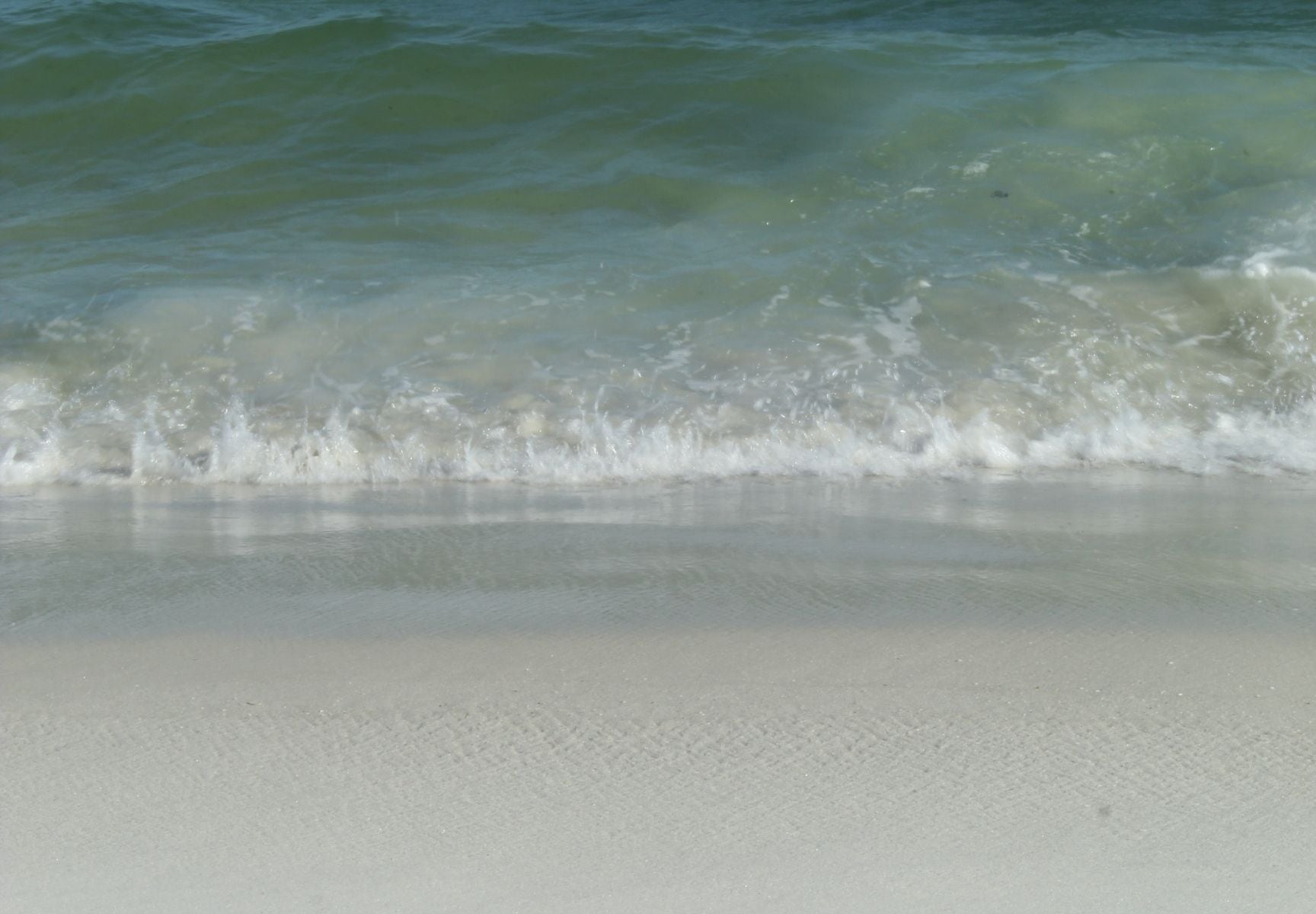
Florida has two coasts, and they do not feel the same. The Atlantic side has bigger surf and busier strip cities. The Gulf side on the west is calm, warm, and shallow, with sand so fine it squeaks under your feet. If you want water you can wade into without getting knocked over, and sunsets you plan your dinner around, the Gulf is the coast to pick. This is a run through the beaches that earn the drive, sorted north to south, with the real towns, the sand type, and the closest airport so you can plan around them.
For the wider picture of where these beaches sit and how they compare with the Atlantic side, start with our Best Beaches in Florida guide, and use the main Florida Travel Guide to slot a beach stretch into a bigger trip.
Destin and the Emerald Coast
Best for: white sand and clear water | Sand: sugar-white quartz | Nearest airport: VPS (Destin/Fort Walton) | Water: calm, shallow
The Panhandle’s Emerald Coast around Destin has the whitest sand in the state. It is pure Appalachian quartz that washed down over thousands of years, and it stays cool enough to walk on even in July. The water runs a green-blue that gives the coast its name, and on calm days in late spring you can see your feet in chest-deep water.
Destin is a fishing town first and a beach town second, which shows up on the plate. Fudpucker’s Beachside Bar & Grill is the loud, family-friendly institution, and McGuire’s Irish Pub of Destin does a burger and its own brewed beer if you want to get off the sand for a couple of hours. For the water itself, Boogies Watersports and Olin Marler’s Dolphin Cruises & Fishing Charters run dolphin trips and half-day fishing out of the harbor, with dolphin cruises usually in the $35 to $45 range per adult.
Destin is a long way from the rest of Florida. Pensacola to Miami is a two-day haul, not a day trip, so treat the Panhandle as its own vacation rather than a side stop from Orlando. Fly into VPS or Pensacola (PNS) and stay put.
Clearwater Beach
Best for: resort beach vacations | Sand: soft white | Nearest airport: TPA (Tampa) | Water: calm, wadeable
Clearwater is the easy-access Gulf beach. It sits about 30 minutes from Tampa International, so you can land, grab a rental car, and have your feet in the sand inside an hour. The beach is wide and groomed, the water is calm and shallow, and there is a real town behind it with a pier, restaurants, and nightly sunset gathering at Pier 60.
For lodging right on the sand, Opal Sands Resort & Spa and the Hyatt Regency Clearwater Beach Resort and Suites both put you a short elevator ride from the water, with peak-season rates that climb well past $300 a night in the March-through-April window. Across the bay in St. Petersburg, the Island Grand at TradeWinds and RumFish Beach at TradeWinds give you the same Gulf water with a slightly quieter beach.
Because it is so easy to reach, Clearwater fills up. If you want the wide sand with room to spread out, come on a weekday or arrive before 10 a.m. on a Saturday.
Siesta Key and Sarasota
Best for: the softest sand in Florida | Sand: fine quartz that stays cool | Nearest airport: SRQ (Sarasota) or TPA | Water: calm
If you only see one Gulf beach, make it Siesta Key. The sand here is almost pure quartz, ground so fine it feels like powdered sugar and stays cool underfoot on the hottest days. Siesta Public Beach has free parking, lifeguards, and enough room that even a busy Saturday does not feel packed. It regularly tops national beach rankings, and unlike a lot of ranked beaches, it lives up to it.
Sarasota behind it gives you a real town for the evenings. Mote Marine Laboratory is a working marine research aquarium and a solid rainy-afternoon backup, and CB’s Saltwater Outfitters and Siesta Key Watersports rent kayaks and paddleboards and run backwater tours if you want to get off the beach and into the mangroves. Tampa to Sarasota is about an hour down I-75, so Siesta pairs easily with a Tampa or St. Pete stay.
Naples and Marco Island
Best for: upscale, quieter beaches | Sand: soft tan | Nearest airport: RSW (Fort Myers) | Water: calm, warm
Down at the southwest corner, Naples trades the party-beach energy for money and quiet. The beaches are wide and clean, the water is warm and calm, and the town behind them is all boutiques and good restaurants. Delnor-Wiggins Pass State Park just north of town is the beach locals send you to, with $8 parking, real dunes, and clear water at the pass where it meets the Gulf.
For a beachfront base, the JW Marriott Marco Island Beach Resort and the Pink Shell Beach Resort & Marina on the Fort Myers side both sit right on the sand, and Pure Florida in Naples runs sunset cruises and shelling trips out of the city dock. Naples is about 2.5 hours from Tampa and a bit under 2 hours from Miami across Alligator Alley, so it works as an end point for either coast.
When to go
The Gulf’s best beach window is the dry season, roughly November through April, when the humidity drops and the afternoon storms stay away. Late spring, from mid-March into May, gives you warm water and the clearest visibility before summer’s daily thunderstorms build. Summer beaches are still good in the morning, but plan to be off the sand by early afternoon when the lightning rolls in. For a month-by-month breakdown, see our guide to the best time to visit Florida beaches, and check the overall best time to visit Florida for the full seasonal picture.
Gulf beaches at a glance
| Beach | Sand | Nearest airport | Best for | Drive from Tampa |
|---|---|---|---|---|
| Destin | Sugar-white quartz | VPS | Clearest water | 6.5 hrs (Panhandle) |
| Clearwater | Soft white | TPA | Easy access, resorts | 30 min |
| Siesta Key | Fine cool quartz | SRQ / TPA | Softest sand | 1 hr |
| Naples | Soft tan | RSW | Quiet, upscale | 2.5 hrs |
Planning around a Gulf beach trip
The Gulf coast is spread out, so pick one stretch rather than trying to hit all of them. Clearwater and Siesta Key pair naturally from a Tampa base. Naples and Marco Island work from Fort Myers (RSW). Destin and the Emerald Coast are their own trip out of VPS or Pensacola. A rental car is effectively required for any of them once you leave the immediate resort area.
If you are bringing kids, the calm shallow water on the Gulf side is the whole reason to choose it, and our Florida with kids guide lays out how to pair a beach with theme parks and wildlife stops. And if your trip runs south, the Gulf coast connects to the wildest ground in the state through the Everglades National Park guide, which sits right at the end of Alligator Alley below Naples.
St. Pete Beach and the barrier islands
Best for: a longer barrier-island stay | Sand: soft white | Nearest airport: TPA | Water: calm
Just south of Clearwater, the barrier islands off St. Petersburg give you a string of beach towns with a slightly more laid-back feel than the Clearwater resort strip. St. Pete Beach itself is wide and gentle, and the Island Grand at TradeWinds and RumFish Beach at TradeWinds both put you directly on the sand with pools, watersports rentals, and food on site. St. Pete Coastal Cruises runs dolphin-watching and sightseeing trips out of the area if you want a half-day on the water, usually in the $30 range per adult.
The bonus of a St. Pete base is that you are close to the city’s museums and restaurants when you want a break from the beach, and Siesta Key is only about an hour south down the coast. It is a good pick for a longer stay where you do not want to move hotels every two days.
Shelling on Sanibel and Captiva
Best for: shell collectors | Sand: soft, shell-strewn | Nearest airport: RSW | Water: calm and shallow
Off the Fort Myers coast, Sanibel and Captiva are the shelling capital of the country. The islands sit at an angle that catches shells rolling in off the Gulf, and low tide fills the beach with them. You will see people doing the “Sanibel stoop,” bent over sorting through piles of shells. It is a slower, quieter kind of beach day than the resort strips up north. The Pink Shell Beach Resort & Marina on the Fort Myers Beach side makes an easy base, and it is a short drive over the causeway to the shelling beaches.
Bring a mesh bag and check the tide chart before you go, because the shelling is best at low tide and in the days after a storm has churned the Gulf. Live shelling is restricted, so take only empty shells.
A few practical beach notes
The Gulf sun is strong every month of the year, so plan for shade and sunscreen even in winter. In summer, watch the sky and get off the sand when the afternoon storms build, because lightning is the real hazard, not the rain. Respect posted beach flag warnings: a double red flag means the water is closed, and yellow or red means rougher conditions and possible rip currents. The Gulf is generally calmer than the Atlantic, but currents still form around passes and jetties.
Parking is the other thing to plan for. State-park beaches like Delnor-Wiggins Pass charge around $8 per vehicle and are worth it for the cleaner sand and dunes. Public beaches like Siesta Key have free lots that fill by mid-morning on weekends, so arrive early. Many beach resorts include parking, which is one more reason to stay on the sand if the budget allows.
Whichever beach you pick, the Gulf rewards a slower pace. Get there early, claim your patch of sand, and stay for the sunset. On this coast, it faces the right direction.