Key West sits at the very end of the road, 113 miles out into the Gulf from the mainland, closer to Cuba than to Miami. It is the southernmost point in the continental US and it has the loosest, most easygoing feel of anywhere in Florida. First-timers usually make one of two mistakes: they either try to see it as a rushed day trip from Miami, or they expect a Caribbean beach island and are surprised the beaches are an afterthought. Here is what Key West is and how to do it right.
Pair this with the full Key West overview and the Florida Travel Guide for the bigger trip.
Give the drive the respect it deserves
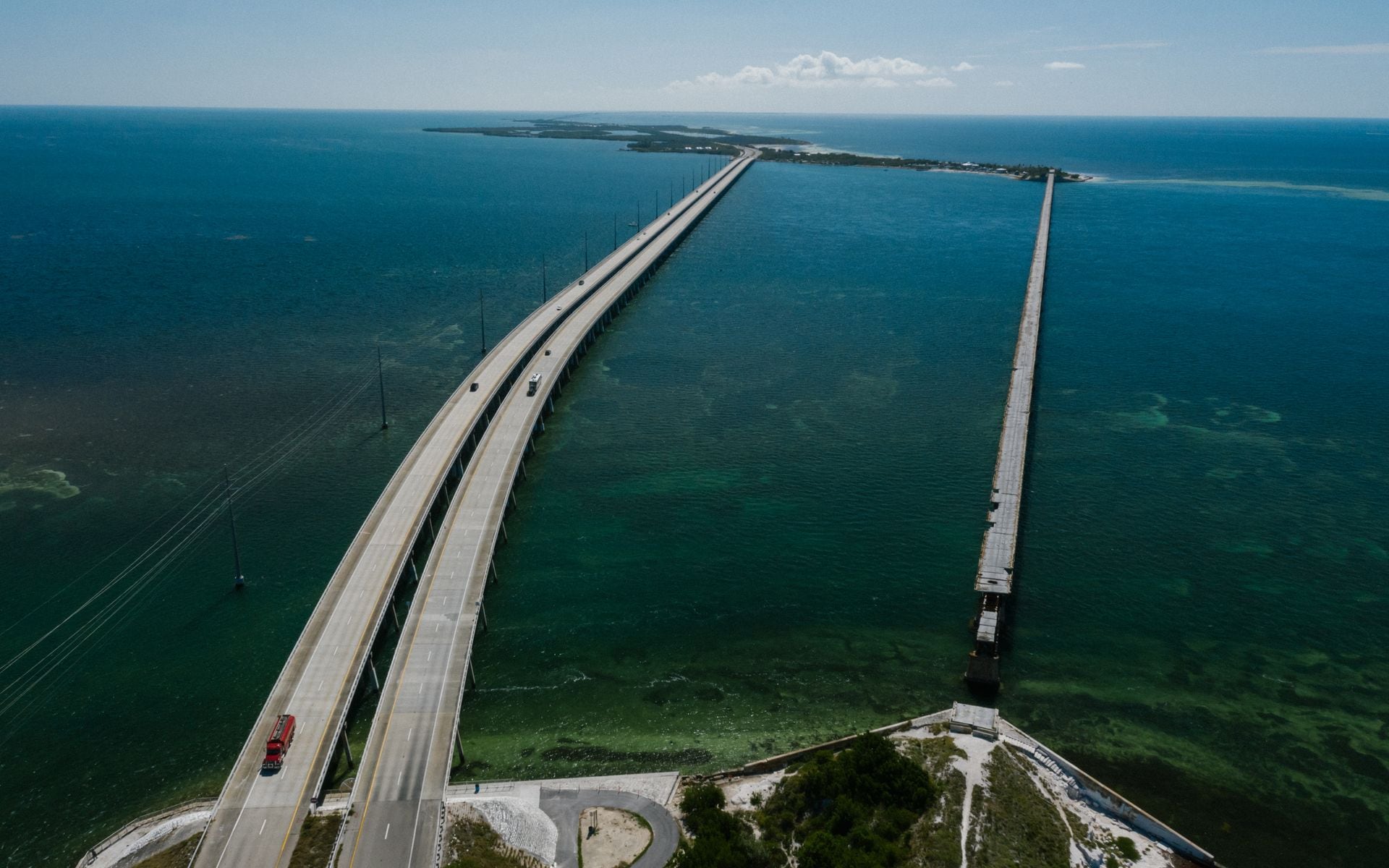
The drive down is half the experience, and it is longer than it looks on a map. Miami to Key West is about 3.5 to 4 hours on the Overseas Highway (US-1), the two-lane road that hops island to island across 42 bridges, including the famous Seven Mile Bridge. It is slow on purpose. There is a lot of two-lane traffic, and you will want to stop.
Break the drive up. In Key Largo, John Pennekamp Coral Reef State Park is the first great snorkel stop, protecting the only living coral reef in the continental US. In Islamorada, pull off at Robbie’s of Islamorada to hand-feed the giant tarpon off the dock for a few dollars, a classic Keys stop that takes 20 minutes. If you want to overnight partway, Gilbert’s Resort & Marina in Key Largo puts you right on the water at the top of the chain. Do not try to drive down, see Key West, and drive back in one day. It can be done, but you will spend seven hours in the car to see three of them.
If you would rather not drive at all, there are day-trip buses and even seaplanes and fast ferries from the mainland, but a rental car gives you the freedom to stop, which is the whole point of the Keys.
Where to stay and eat
Key West is small and walkable once you are there, so stay in or near Old Town and ditch the car. Opal Key Resort & Marina sits right at the harbor by Mallory Square, which puts you steps from the sunset celebration and the main drag. Rooms in Old Town run expensive in the winter peak, often north of $300 a night from December through April, and come down noticeably in the summer and fall.
The food is Cuban, Caribbean, and seafood-heavy. Conch fritters, fresh grouper and hogfish, stone crab in season (October through May), and key lime pie everywhere, which here is a real local dish and not a tourist gimmick. Duval Street is the loud main strip for bars and people-watching, and the side streets hold the quieter, better restaurants.
Book the water activities
The reason to come to Key West is the water, so build a day around it. Fury Key West Watersports and Sunset Watersports Key West both run reef snorkel trips and combo days with kayaking and parasailing, usually in the $50 to $90 range for a half day. Sebago Watersports runs a well-known sunset sail with an open bar, and Danger Charters does a quieter wind-and-wine sail through the backcountry if you want something calmer than the party boats.
Anglers are spoiled here. Gulfstream Fishing runs party-boat trips that are affordable and beginner-friendly, and Cora Beth Fishing and Cowboy Cowgirl SportFishing Charters run private charters for reef and offshore fish. The flats fishing for tarpon, bonefish, and permit is well-regarded, but it is a specialized, guide-only game, so book ahead.
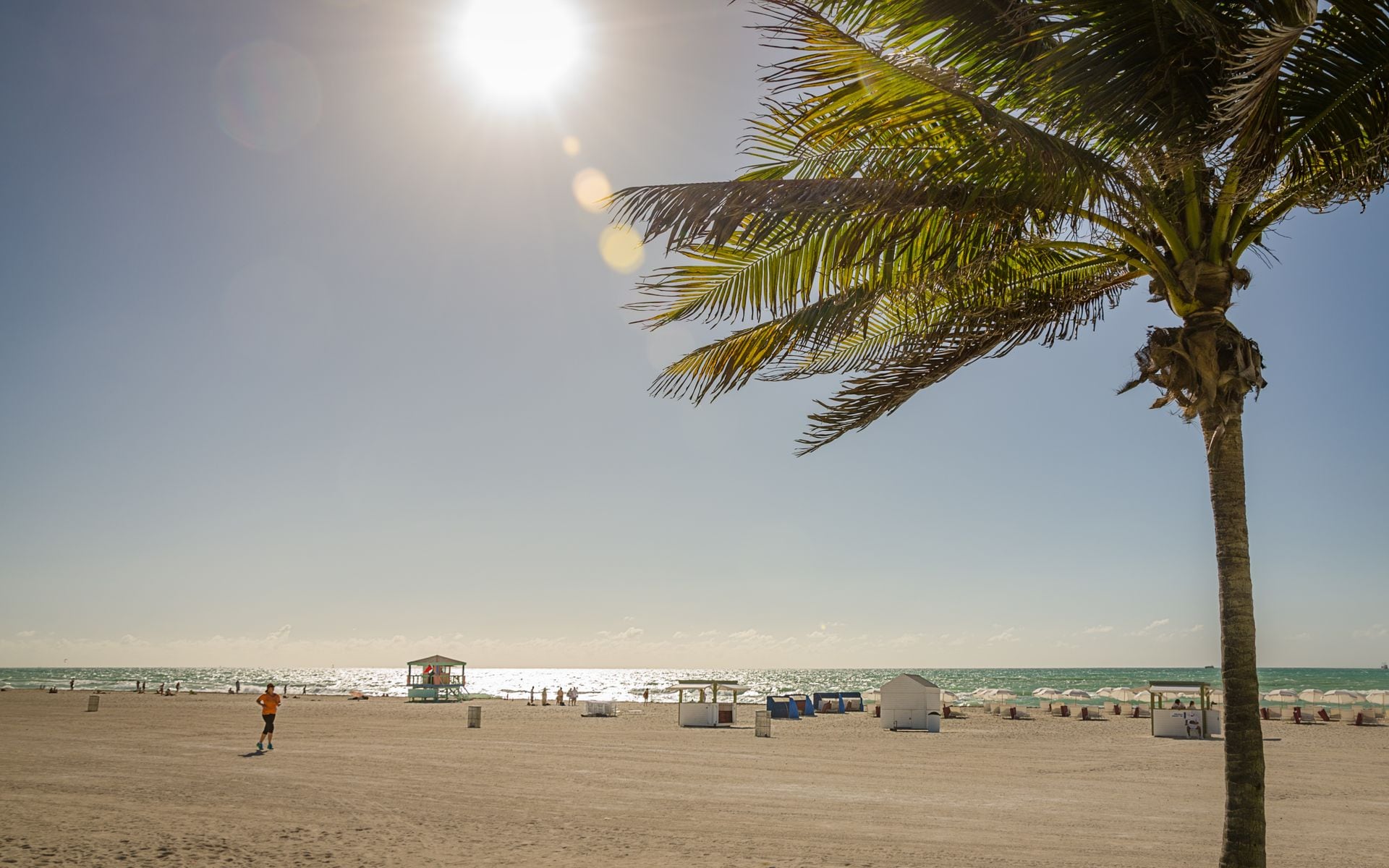
For beach time, do not expect the wide white sand of the Gulf coast. Fort Zachary Taylor Historic State Park Beach is the best swimming beach on the island, with a rocky bottom, clear water, and shade under Australian pines, plus $8 or so in park entry. It is where locals go.
The Dry Tortugas day trip
If you have an extra day, the best thing you can add is a trip to Dry Tortugas National Park, a cluster of remote islands 70 miles further west built around a huge 19th-century fort with some of the clearest snorkeling water in Florida. The catch: the ferry from Key West sells out weeks ahead in peak season, so book it before you leave home. There is no timed-entry reservation for the park itself, but the boat is the only easy way out, so the boat is the bottleneck.
When to go
Key West is warmest and driest in the winter, roughly December through April, which is also the crowded, expensive peak. The tradeoff is near-perfect weather. Summer, May through September, is hot and humid with afternoon storms, cheaper rooms, and calmer water on the flat days, but it overlaps with hurricane season, which runs June through November. Fall is quietest and cheapest, with the highest storm risk.
For the full seasonal breakdown, see the best time to visit Florida guide, and because a Keys trip in summer or fall runs straight through storm season, read the Florida hurricane season guide before you book. If your main goal is beach time rather than Key West specifically, the best time to visit Florida beaches guide will help you pick a window.
First-timer tips
Plan at least two nights in Key West so you get a full day plus a sunset, and ideally three so you can add the Dry Tortugas. Watch the sunset from Mallory Square at least once, corny as it sounds, because the whole town shows up for it. Rent a bike or scooter to get around Old Town instead of fighting for parking. And pace yourself on Duval Street, because the heat and the drinks add up fast.
What to see in Old Town
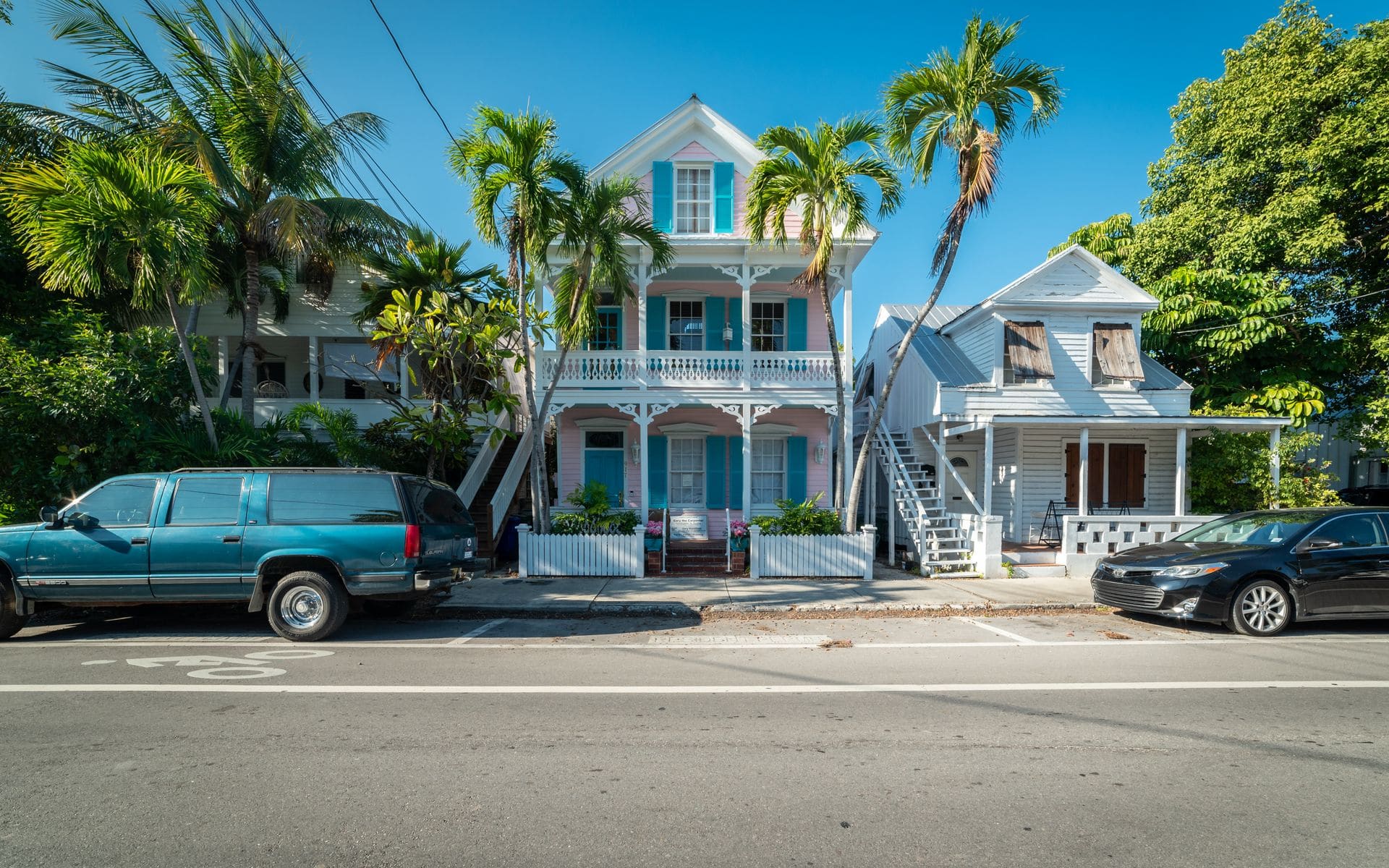
Beyond the water, Key West’s Old Town is a walkable grid of 19th-century conch houses, and the sights are close together. The Southernmost Point marker draws the photo line, but the better time there is early morning before the crowds. The Hemingway Home, where the writer lived in the 1930s, still has the six-toed cats descended from his, and it is one of the few paid attractions worth the ticket. The Key West Lighthouse across the street gives you a climb and a view over the island.
Mallory Square at the western tip is the sunset ritual. Every evening the whole town gathers for the Sunset Celebration, with street performers, food carts, and boats gliding past as the sun drops into the Gulf. Corny, yes, but do it once. If you would rather watch from the water, the sunset sails run by Sebago Watersports and Danger Charters put you out in the harbor for the show with drinks in hand.
Getting around the island
Once you are in Key West, park the car and leave it. Old Town is small and walkable, and driving around it means fighting for scarce, expensive parking. Rent a bike or a scooter instead, which is how a lot of locals get around, or use the pedicabs and the Old Town trolley for the longer hops. Most of what you want, the bars on Duval, the sunset at Mallory Square, the restaurants, and the harbor, is within a 15-minute walk of the Old Town hotels like Opal Key Resort & Marina.
If you drove down, your hotel parking is the place to leave the car for the whole stay. You do not need it again until you point it back up the Overseas Highway.
Budgeting a Key West trip
Key West is one of the more expensive corners of Florida, driven by its remoteness and its popularity. Winter-peak rooms in Old Town often run north of $300 a night from December through April, and drop noticeably in summer and fall. Food and drinks on Duval Street carry a tourist premium, so wander a block or two off the main strip for better value and better cooking. Boat trips and charters run from about $50 for a half-day snorkel with Fury Key West Watersports up to several hundred for a private fishing charter with Cora Beth Fishing.
To keep costs sane, travel in the shoulder or summer season if you can handle the heat and the storm risk, stay a short walk from the action rather than right on the harbor, and mix the pricey boat days with free ones spent walking Old Town and swimming at Fort Zachary Taylor Historic State Park Beach.
A first-timer’s day-by-day shape
If you have two nights, here is a shape that hits the highlights without rushing. Day one, drive down from the mainland with stops at John Pennekamp Coral Reef State Park and Robbie’s of Islamorada, arriving in Key West by late afternoon, then walk to Mallory Square for the sunset. Day two, book a morning reef snorkel with Fury Key West Watersports or Sunset Watersports Key West, spend the afternoon walking Old Town and swimming at Fort Zachary Taylor Historic State Park Beach, and end with a sunset sail. Day three, drive back up, or add the Dry Tortugas ferry if you booked it ahead.
Stretch it to three nights and you can slow the whole thing down, add the fort trip, and relax into the island pace, which is the reason people fall for Key West in the first place.
Key West is not a place to rush. Give it the days it deserves, take the drive slow, and let the end of the road do what it does best.