Key Largo: the diving capital
Key Largo is the first key south of the mainland, about an hour from Miami, and it is billed as the diving capital of the world for good reason. John Pennekamp Coral Reef State Park protects the only living coral reef in the continental US just offshore, with glass-bottom boat, snorkel, and scuba trips leaving from the park all day, so even non-divers can see the reef through the boat's hull. Park entry runs $8 to $9 per vehicle, and the snorkel trips to the reef are around $30 to $40 plus gear. It is the easiest introduction to the reef in the whole chain.
Key Largo is a working dive town more than a resort strip, and the lodging reflects that: Gilbert's Resort & Marina is a waterfront property built around diving, boating, and a dockside bar rather than a beach. Because it is so close to Miami, Key Largo makes a natural first night on a drive south or a doable day trip if you are based in South Florida. Book reef trips ahead in peak winter season, when calm, clear days fill up fast.
Islamorada: the sportfishing capital
Islamorada is a string of islands in the middle Keys, about two hours from Miami, and it is the sportfishing capital of the world, with backcountry flats on the Gulf side and deep water on the Atlantic side within minutes of the docks. The anchor attraction is Robbie's of Islamorada, a dockside marina where you buy a bucket of baitfish and hand-feed the huge wild tarpon that hang around the pilings, then browse the market and grab lunch. It is touristy and it is also genuinely fun, especially with kids.
Beyond Robbie's, Islamorada is where serious anglers base themselves, running charters for tarpon, bonefish, and permit on the flats or heading offshore for sailfish and mahi. A half-day flats charter typically runs $500 to $700 for the boat, so it splits well across a group. The sandbar scene, where boats raft up on the shallow flats on weekends, is a local institution. If you only fish once in the Keys, this is the island to do it, and even non-anglers use it as a quieter, calmer base than Key West.
Key West: the end of the road
Key West is where the Overseas Highway runs out, the southernmost city in the continental US, about 3.5 to 4 hours from Miami. The nightly Mallory Square sunset celebration draws buskers and crowds, Duval Street handles the bars, the Hemingway Home shelters its famous six-toed cats, and Fort Zachary Taylor Historic State Park pairs a Civil War fort with the best swimming beach on the island. On the water, Sunset Watersports Key West and Fury Key West Watersports run snorkel trips, jet skis, and sunset sails, Sebago Watersports and Danger Charters run day sails and snorkel-and-kayak combos out of the harbor, and for fishing, Gulfstream Fishing on the historic Charter Boat Row runs reef and Gulf Stream trips while Cora Beth Fishing and FishMonster & IslandJane Charters cover flats and offshore runs. For a base right on the harbor, the Opal Key Resort & Marina on Front Street puts the sunset and the ferry dock at your door.
Key West is compact and walkable once you are there, so many people park the car and get around on foot, bike, or scooter. It is also the departure point for Dry Tortugas National Park, the remote islands and 19th-century Fort Jefferson about 70 miles west, reached by the Yankee Freedom ferry. The ferry sells out weeks ahead in peak season, so book it before you fix the rest of your Key West dates.
Which key should you base yourself on
The chain runs on one road with mile markers counting down from around MM 106 in Key Largo to MM 0 in Key West, and each anchor island does something different. Many travelers split nights between two of them rather than driving back and forth. Use the table to match an island to your trip.
| Island | Best for | Mile marker | Drive from Miami |
|---|---|---|---|
| Key Largo | Diving, reef, closest to Miami | MM 106 to 90 | ~1 hr |
| Islamorada | Fishing, quieter base, tarpon | MM 90 to 72 | ~2 hr |
| Key West | Nightlife, history, Dry Tortugas | MM 5 to 0 | ~3.5 to 4 hr |
A common three or four night plan spends the first night in Key Largo for a reef dive, a night in Islamorada to fish or feed the tarpon, then two nights in Key West for the sunsets, the history, and the Dry Tortugas ferry. The where to stay in Florida guide helps you decide how to split the nights.
Driving the Keys and when to go
The whole chain runs on one road, the Overseas Highway (US-1), and mile markers count down from around MM 106 in Key Largo to MM 0 in Key West. It is a two-lane road for long stretches, so it is a 3.5 to 4 hour drive from Miami that turns into much more if you stop, which you should. Give the Keys at least two or three nights so you are not just driving. The dry season, roughly December through April, is peak: warm, clear, and calm, with the best water clarity for the reef, and the highest prices and thickest crowds.
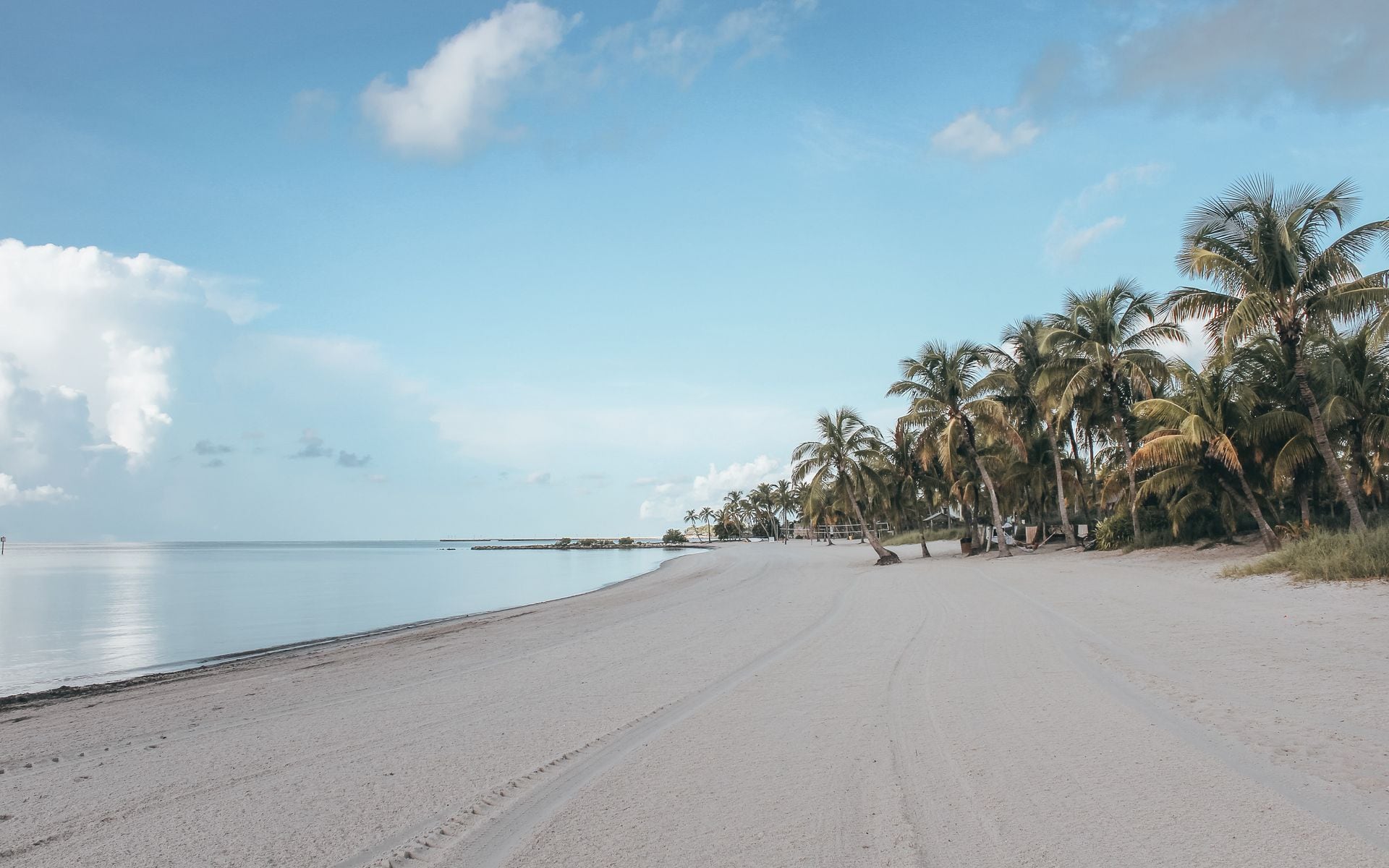
Summer is hot, humid, and stormy with afternoon thunderstorms, but the water is warm and the rates drop, and calm summer spells can bring excellent visibility for diving. Hurricane season runs June through November, and the Keys are exposed, so watch the forecast and keep travel insurance in mind. The Keys have few natural sand beaches compared to the mainland coasts, since the reef blocks wave action, so come for the water and the sunsets more than for wide sand. The best beaches in Florida guide sets expectations before you go.
Frequently asked questions
How long does it take to drive the Florida Keys?
Miami to Key West is about 3.5 to 4 hours nonstop on the Overseas Highway, but the point is to stop. Plan at least two or three nights so you can dive Key Largo, fish or feed tarpon at Islamorada, and still have real time in Key West rather than spending the trip in the car.
Do the Florida Keys have good beaches?
Not many, and that surprises first-timers. The offshore reef blocks the wave action that builds wide sand, so the Keys are about the water, the reef, and the sunsets more than the beach. Fort Zachary Taylor in Key West and a few resort beaches are the main swimming spots.
How do you get to Dry Tortugas National Park?
By the Yankee Freedom ferry from Key West, about a 2.5-hour ride each way to Fort Jefferson on Garden Key, or by seaplane or private boat. The ferry sells out weeks ahead in peak winter season, so book it before you lock in the rest of your Key West plans.
How much does a fishing charter in the Keys cost?
A half-day private flats or backcountry charter in Islamorada or Key West typically runs $500 to $700 for the boat, which splits well across two to four people. Shared party-boat reef trips are cheaper per person, usually $60 to $100, and Key West operators like Gulfstream Fishing and Cora Beth Fishing cover both styles.
Where should I base myself in the Keys?
It depends on the trip. Key Largo is best for diving and is closest to Miami, Islamorada suits anglers and those wanting a calmer base, and Key West is the destination for nightlife, history, and the Dry Tortugas ferry. Many travelers split nights between two islands.