Florida can be one of the more expensive US trips or a fairly cheap one, and the gap between those two comes down to where you go, when you go, and how much theme park is involved. Orlando in spring break and Key West on a holiday weekend will empty your wallet. A Gulf beach town in the shoulder season with a rental car and a grocery run is genuinely affordable. Here is a real look at what a Florida trip costs, region by region, so you can plan a number instead of guessing.
The short answer
Florida is not uniformly expensive. It is expensive in specific places and specific weeks. Theme parks, the Keys, and Miami Beach carry premium pricing year round. The Panhandle, the Nature Coast, and the smaller Gulf towns run much cheaper. Season swings prices as hard as location: the dry season from November through April is peak and priced like it, while the hot, stormy summer months are the deals.
| Cost area | Budget end | Premium end |
|---|---|---|
| Mid-range hotel per night | $120 to $180 | $300 to $600+ |
| Rental car per day | $40 to $70 | $90+ in peak weeks |
| Theme park ticket, per adult per day | ~$110 to $170 | more with add-ons |
| Sit-down dinner for two | $50 to $80 | $150+ in Miami Beach |
| Gulf beach day | Free to $8 parking | valet and rentals add up |
The biggest cost: theme parks
If Orlando is your trip, the parks are your budget. Multi-day tickets run well over $100 per adult per day before you add park hopping, express passes, or in-park food. A family of four can spend more on a week of parks than on flights and hotel combined. You can soften it by staying on-property for perks like early admission at Universal’s Cabana Bay Beach Resort or Loews Sapphire Falls Resort at Universal Orlando, packing water and snacks, and doing one park per day so you use the tickets you paid for. Our Disney World vs Universal comparison helps you avoid paying for both when one will do.
Lodging: where you sleep changes everything
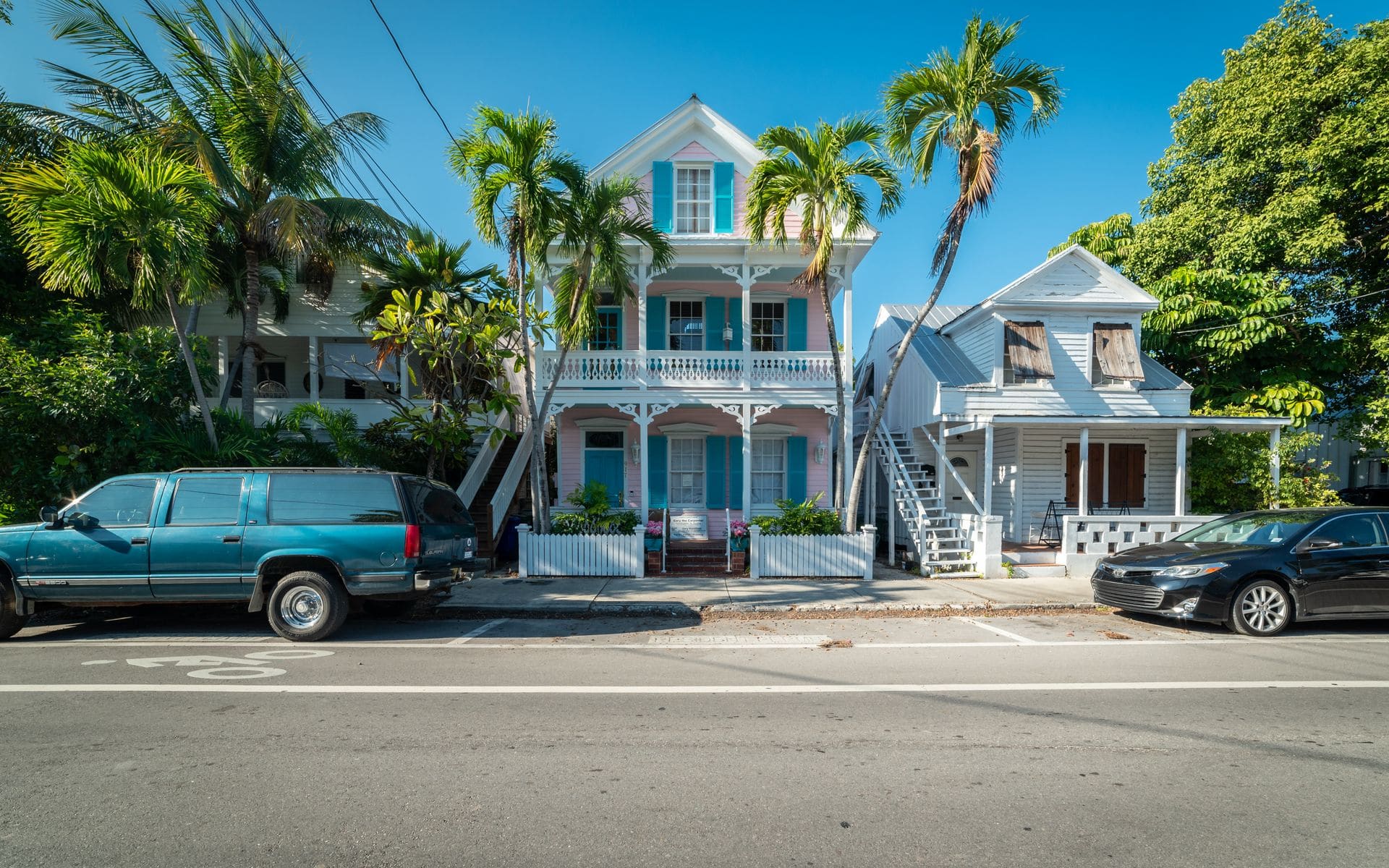
Hotel pricing in Florida is all about location and season. Miami Beach and Key West are the top of the market. A room at the Fontainebleau Miami Beach or 1 Hotel South Beach is a splurge, and Opal Key Resort & Marina in Key West commands a premium for the walk-to-Duval location. Move to the Gulf coast and the same money goes further. Clearwater has solid mid-range beachfront at the Hyatt Regency Clearwater Beach Resort and Suites, and family resorts like the Island Grand at TradeWinds in St. Pete Beach bundle pools and kids’ programming into the rate. Farther from the marquee spots, in the Panhandle or the Nature Coast, prices drop again. Booking the shoulder season, roughly April to early June or late October, can cut a rate by a third versus the winter peak.
Food: cheaper than you would guess
Food is one place Florida can be reasonable. Yes, a table at MILA or Ole Ole Steak House in Miami Beach runs high, but that is the ceiling, not the average. You can eat well and cheap all over the state. Joe Patti’s Seafood in Pensacola, Columbia Restaurant in Tampa, McGuire’s Irish Pub of Destin, and Fudpucker’s Beachside Bar & Grill all deliver a proper meal without a Miami price tag. Renting a place with a kitchen and hitting a Publix for breakfasts and beach lunches is the single easiest way to cut a Florida food budget.
Getting around
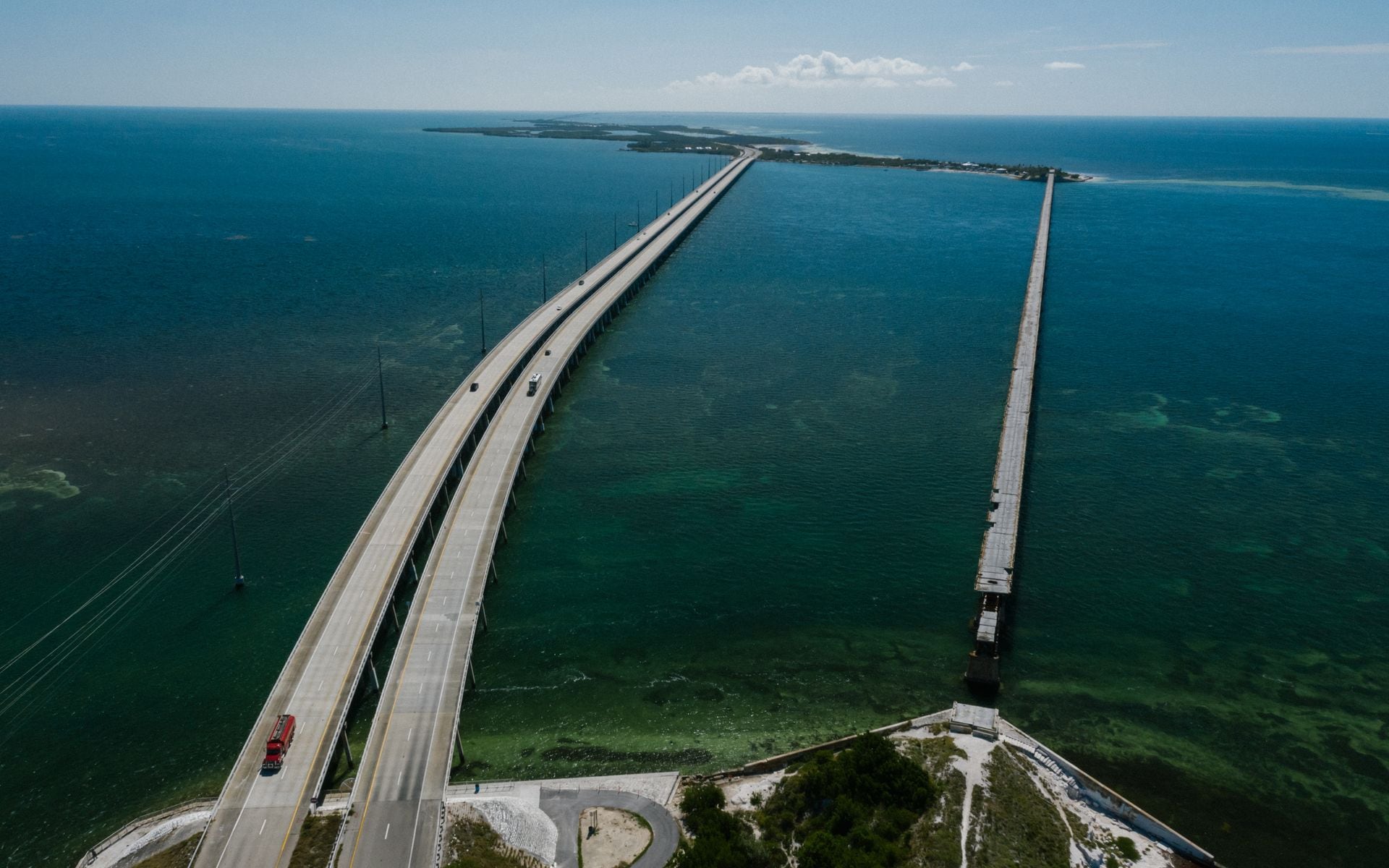
A rental car is effectively required for anything beyond a single resort stay, and it is a real line item, $40 to $70 a day off-peak and higher in busy weeks, plus gas and paid parking in the tourist zones. The interstates are free, but Florida’s Turnpike and some Orlando-area toll roads are not, so a SunPass or the rental company’s toll program saves the hassle. Brightline trains connect Miami, Fort Lauderdale, West Palm Beach, and Orlando if you want to skip driving that corridor. Gas gets pricier the farther you go into the Keys, so fill up on the mainland.
The cheapest version of Florida
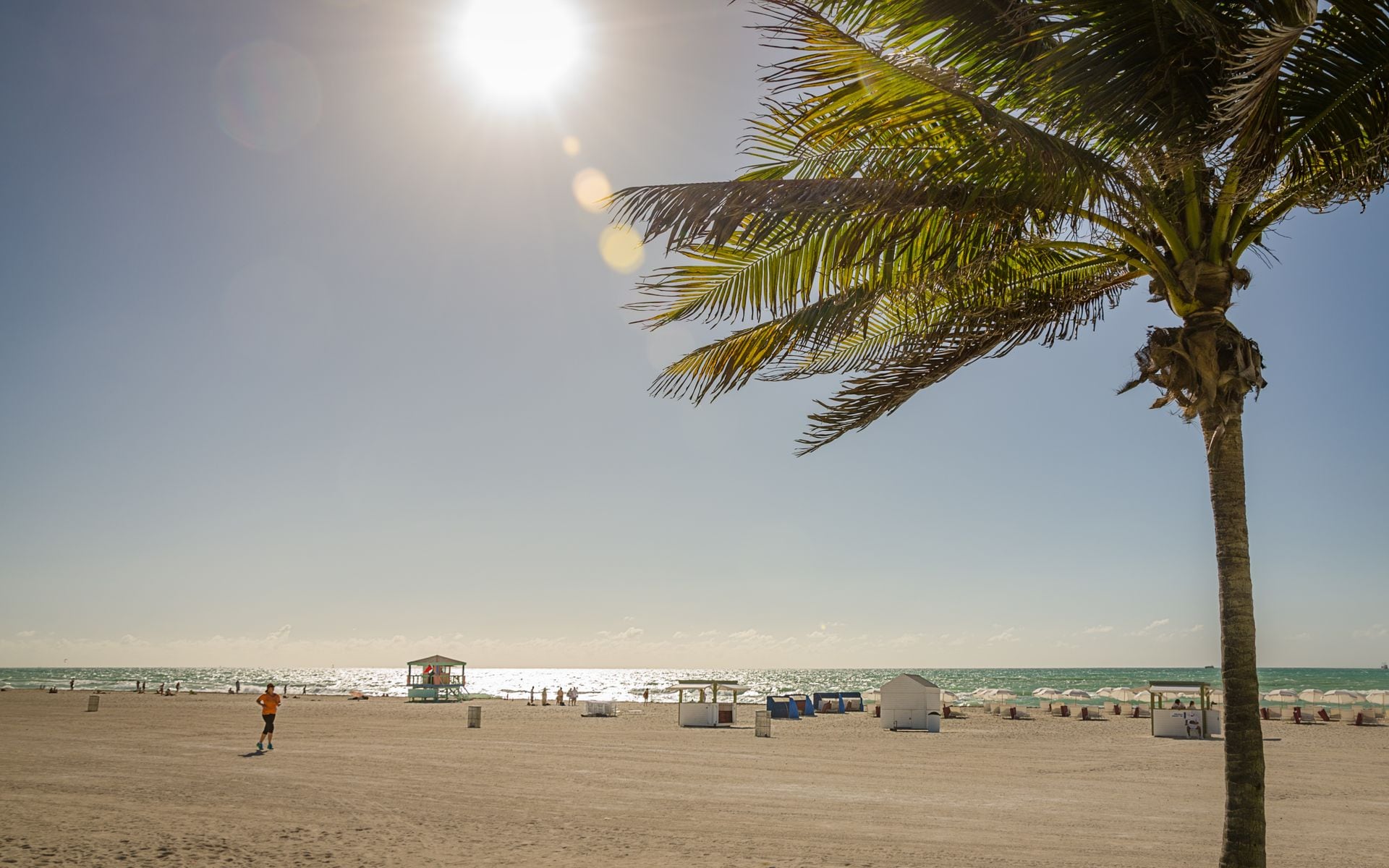
Here is the good news: the best parts of Florida are close to free. Gulf beaches are public and often cost only $8 to park. The three national parks, Everglades, Biscayne, and Dry Tortugas, are inexpensive to enter (the Dry Tortugas ferry is the pricey part). The freshwater springs around Ocala and Crystal River, which hold 72 degrees year round, charge only a small state-park fee, and you can spot manatees at places like Bird’s Underwater Manatee Dive Center in Crystal River for far less than a theme-park day. Build a trip around beaches, springs, and parks and Florida stops being expensive. See the best Florida springs for swimming and where to see manatees in Florida for the low-cost side of the state.
When to go to save money
Season is the biggest lever after location. The dry season from November through April is peak and priced accordingly, with the holidays and spring break the very top. The hot, humid summer, May through October, brings near-daily afternoon storms but also the best hotel deals and the clearest Gulf water in calm spells. If you can tolerate heat and a passing thunderstorm, late spring and fall shoulder weeks are where the value is. Check the best time to visit Florida for the full breakdown.
Sample budgets by trip type
Rough numbers help more than generalities. These are ballpark per-day figures for two adults, excluding flights, to show how much the region and style swing the total.
| Trip style | Rough daily cost, two adults | What it covers |
|---|---|---|
| Gulf beach, shoulder season | $220 to $320 | Mid-range hotel, car, groceries plus one dinner out |
| Orlando parks | $450 to $700+ | On-property hotel, park tickets, in-park food |
| Florida Keys | $350 to $550 | Premium location hotel, fuel, dinners out |
| Miami Beach city break | $400 to $650 | South Beach hotel, dining, nightlife |
| Springs and parks road trip | $180 to $260 | Motel or rental, small park fees, groceries |
The spread is the whole story. A springs-and-parks road trip can cost a third of an Orlando park week for the same two people. Where you point the trip decides the budget more than any coupon ever will.
Small savings that add up
Beyond the big levers, a handful of habits keep the daily number down. Buy groceries at a Publix or Aldi for breakfasts and beach lunches instead of eating three meals out. Use the free public beaches rather than paying for beach-club chairs. Fill the gas tank before the Keys, where prices climb. Book hotels with free parking and free breakfast where you can, since resort and parking fees quietly add $30 to $60 a night in the tourist zones. And skip the second theme-park resort. Picking Disney or Universal rather than both, as covered in Disney World vs Universal, is the single biggest saving available to a park-bound family.
What is actually free in Florida
The fastest way to reset a Florida budget is to build days around the free stuff, and there is more of it than the marquee attractions suggest. Nearly every Gulf and Atlantic beach is public, with parking the only cost, often $8 or less, and sometimes free if you find street parking. Watching a rocket launch from the sand at Cocoa Beach costs nothing, and you can check the schedule and just show up. Winter manatee viewing from the boardwalk at Blue Spring State Park near Orange City runs only the small state-park entry fee, and the free viewing centers at the Tampa Bay power-plant outflows cost nothing at all on a cold snap. Walking the historic district of St. Augustine, browsing the shops on Duval Street in Key West, and window-shopping Disney Springs or Universal CityWalk are all free to do, since both Orlando entertainment districts charge nothing to enter.
Even the paid experiences have cheap tiers. A guided manatee swim at Crystal River with an outfitter like Bird’s Underwater Manatee Dive Center costs a fraction of a theme-park day. A party-boat fishing trip out of Madeira Beach with Hubbard’s Marina splits the cost across a full boat, so you fish the Gulf for a fraction of a private charter. Stack a few of these free and low-cost days against one or two splurge days and the trip average drops fast, which is the whole trick to keeping Florida affordable.
Bottom line
Is Florida expensive? It can be, if you stack theme parks, Miami Beach, and peak-season weekends. But it does not have to be. Skip or limit the parks, choose a Gulf town over a marquee city, travel in the shoulder season, rent a kitchen, and lean on the free beaches, springs, and parks. For a full cost worksheet, see the Florida trip cost and budget page, and start planning from the Florida travel guide.