The great birding grounds
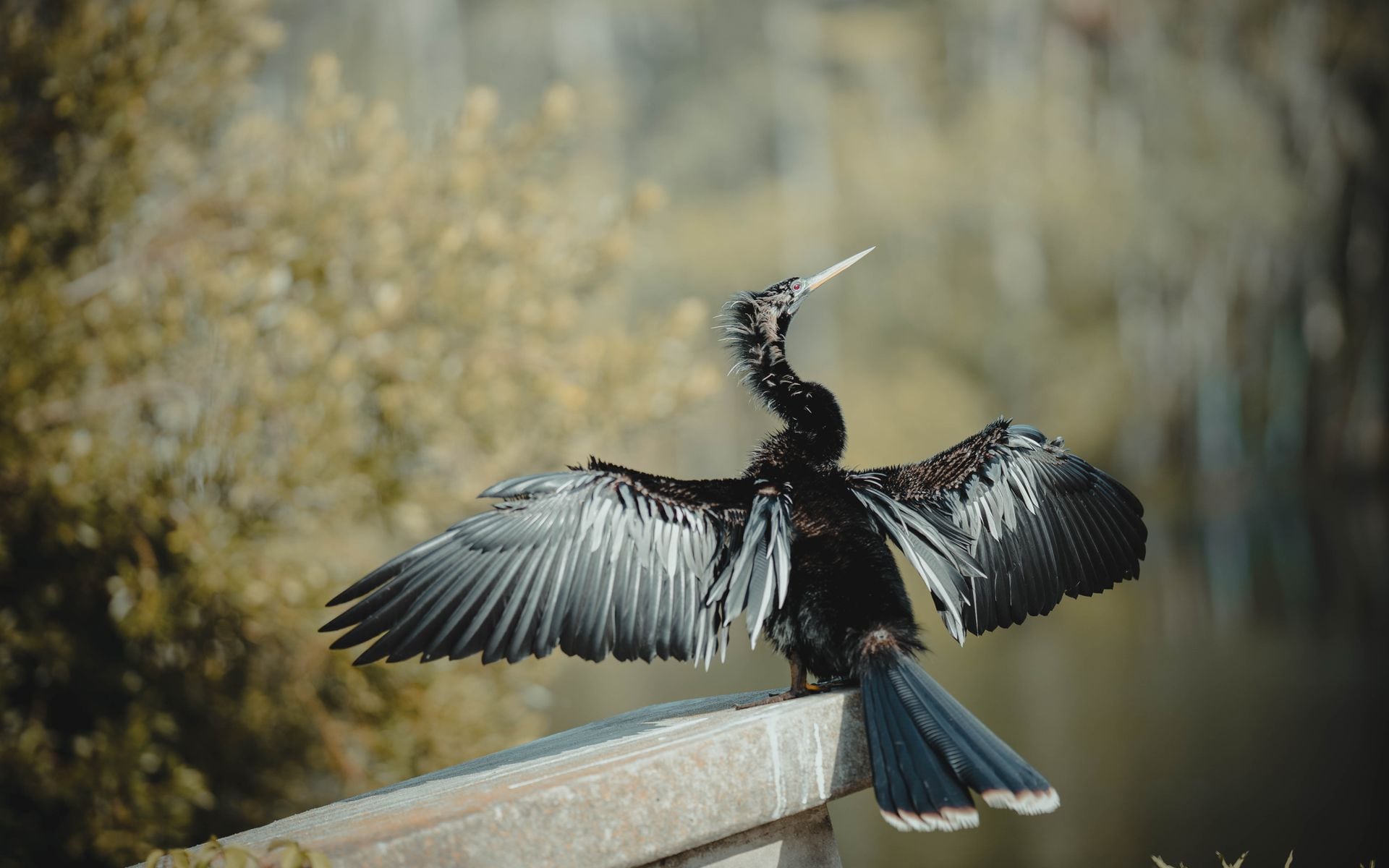
The Everglades is the headliner. In the dry season, December through April, wading birds concentrate around shrinking pools by the thousands: herons, egrets, wood storks, anhingas, and the pink roseate spoonbill. The Anhinga Trail and Shark Valley in the park put you within feet of the action, and an airboat and Everglades tour gets you deeper into the marsh.
On the southwest coast, the J.N. Ding Darling National Wildlife Refuge on Sanibel Island is one of the top birding refuges in the country, with a wildlife drive along the mangrove flats that fills with wading birds at low tide. Merritt Island National Wildlife Refuge next to Kennedy Space Center on the Space Coast is another standout, sharing land with the launch pads and drawing huge numbers of winter waterfowl and shorebirds.
State parks and nature preserves
Florida's state parks and preserves add dozens of birding and nature stops. Silver Springs State Park in Ocala floats you over clear water on glass-bottom boats and has wild monkeys along the river, while the spring runs draw herons and limpkins. Delnor-Wiggins Pass State Park near Naples protects a barrier-island beach and pass where shorebirds and dolphins work the tide. Corkscrew Swamp Sanctuary east of Naples has a boardwalk through old-growth cypress that shelters the largest nesting colony of wood storks in the country.
For a guaranteed wildlife day, Wild Florida Adventure Park near Kenansville pairs a drive-through animal park with airboat rides on the headwaters lakes, about an hour south of Orlando. Many of these sites overlap with the springs, covered in our springs and swimming guide, and the wider park system in our national and state parks guide.
| Site | Near | Best for | Best season |
|---|---|---|---|
| Everglades (Anhinga Trail) | Homestead | Wading birds | Dec to Apr |
| Ding Darling NWR | Sanibel | Shorebirds, spoonbills | Oct to Apr |
| Merritt Island NWR | Titusville | Waterfowl, raptors | Nov to Mar |
| Corkscrew Swamp | Naples | Wood storks, cypress | Dec to Apr |
When to go and what you will see
Winter, roughly November through April, is prime time for Florida birding. Migrants and wintering waterfowl pour in, the dry-season Everglades concentrates the wading birds, and the cooler, drier weather makes long days in the field comfortable. Summer is hot and buggy with afternoon lightning, though it is nesting season, so you will see rookeries active with young birds.
Beyond birds, Florida's wildlife is easy to find: alligators in any fresh water, dolphins along both coasts, and manatees in the winter springs, covered in our manatee and wildlife tours guide. Early morning is the golden window for bird activity and cooler temperatures, and the hour before sunset is a close second when the wading birds return to their roosts. Low tide at the coastal refuges concentrates shorebirds on the exposed flats, so time your visit to the tide chart when you can.
Planning a nature trip
The Great Florida Birding and Wildlife Trail links more than 500 sites statewide into a mapped network, so you can string together stops on any regional drive. Bring binoculars, water, sun protection, and bug spray, especially in the warm months, and go early for the best light and activity.
Give alligators wide distance and never feed wildlife. A nature day pairs easily with a beach afternoon, covered in our beaches guide, and guided nature and wildlife trips are listed in the tours and boat trips directory.
Best birding by region
South Florida holds the Everglades and its dry-season wading-bird show, closest to Miami (MIA) and Fort Lauderdale (FLL). The southwest Gulf coast around Sanibel and Naples, reachable through Southwest Florida (RSW), has the Ding Darling refuge and Corkscrew Swamp, best October through April. The Space Coast around Titusville, near Orlando (MCO), pairs Merritt Island refuge with Kennedy Space Center, drawing winter waterfowl from November through March.
North and central Florida add the spring runs and state parks like Silver Springs, good for limpkins, herons, and songbirds in the hammocks. Go at dawn for the most bird activity and the coolest temperatures, carry binoculars and plenty of water, and use bug spray in the warm months. A birding morning pairs well with a beach afternoon covered in our best beaches in Florida guide, or a longer drive south on a Florida Keys road trip where the reef and backcountry add more species.
Frequently asked questions
Where is the best birdwatching in Florida?
The Everglades leads for wading birds in the dry season, and the Ding Darling refuge on Sanibel and Merritt Island refuge on the Space Coast are top barrier-island spots. Corkscrew Swamp near Naples has the largest wood stork nesting colony in the country.
When is the best time for birdwatching in Florida?
November through April. Winter migrants and waterfowl arrive, the dry-season Everglades concentrates wading birds around shrinking water, and the cooler, drier weather makes for comfortable days in the field.
What birds can you see in Florida?
Herons, egrets, wood storks, anhingas, roseate spoonbills, ospreys, bald eagles, and many wintering waterfowl and shorebirds. The pink roseate spoonbill is a favorite target, most reliable in the Everglades and coastal refuges.
Do I need a guide for Florida birdwatching?
No. Most top sites have self-guided boardwalks and wildlife drives, like the Everglades trails and Ding Darling. Guided airboat and wildlife tours add access and expertise, but plenty of great birding is free and self-guided.
What time of day is best for birdwatching in Florida?
Early morning is the golden window, when birds are most active and the heat and bugs are lowest. The hour before sunset is a close second, as wading birds return to their roosts. At coastal refuges like Ding Darling on Sanibel, time your visit to low tide, when shorebirds concentrate on the exposed mudflats.