The beaches and the national seashore
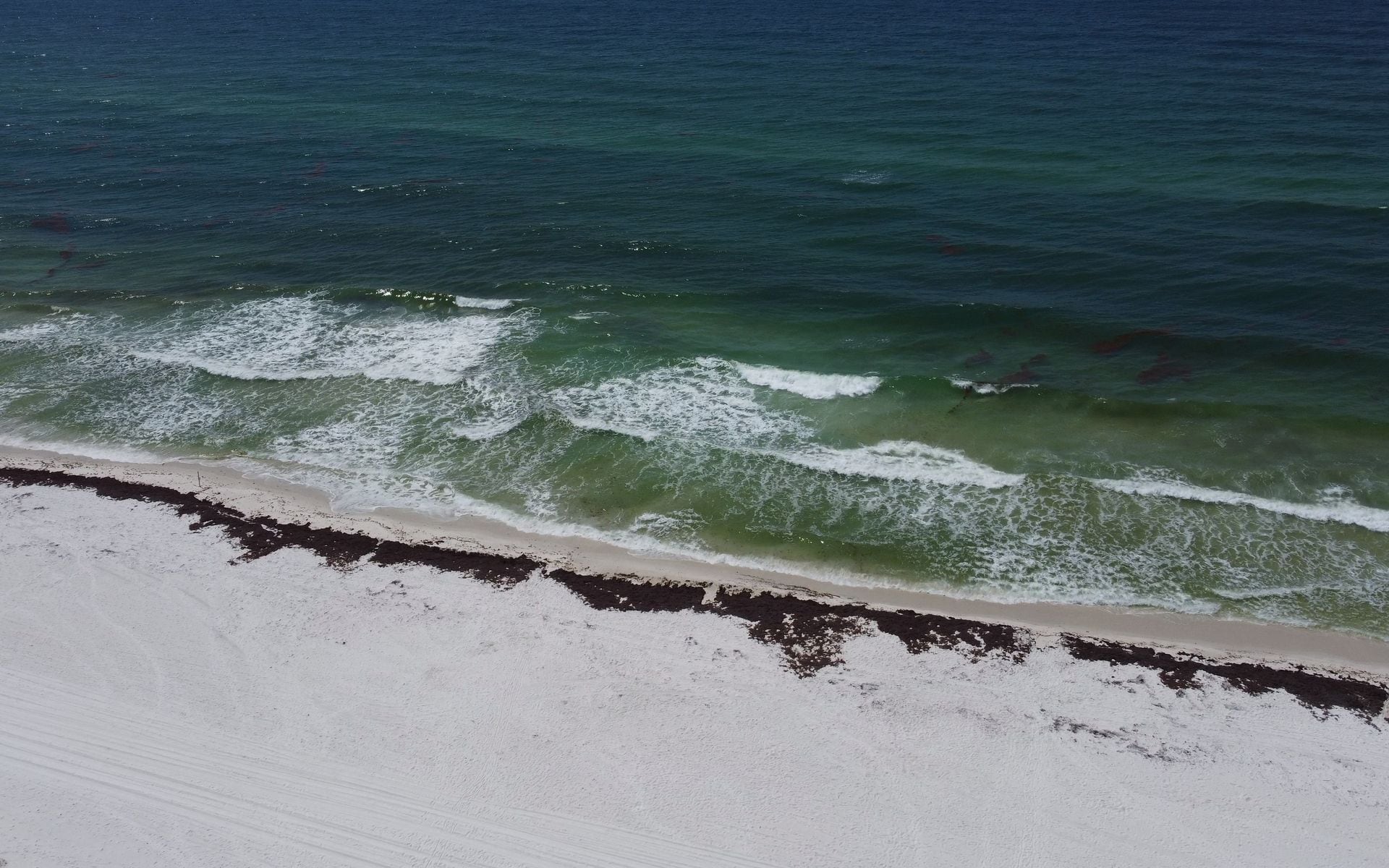
Pensacola Beach sits on Santa Rosa Island, a long barrier island of some of the whitest quartz sand in Florida. Much of the island is protected as Gulf Islands National Seashore, which keeps long stretches undeveloped between the beach town and the historic fort at the west end. The public beach around the Casino Beach boardwalk and the Pensacola Beach fishing pier is the busy hub; drive a few minutes either direction into the national seashore and the crowds thin out fast. Pensacola anchors the western Panhandle region and lands high on our best beaches list for sand and open space.
Fort Pickens at the west end of Santa Rosa Island is a preserved 19th-century coastal fort inside the national seashore, with a museum, moats, and powder magazines you can walk through, plus quiet beaches and campgrounds nearby. It is worth the drive out for the history and the empty sand. See the beaches guide for the wider Panhandle.
Getting on the water and dolphins
Pensacola Beach has a compact set of tour operators right along Pensacola Beach Boulevard. Wave Cutter Dolphin Tours and Frisky Mermaid Dolphin Cruises both run small-boat dolphin-watching trips into the sound, and Frisky Mermaid also rents pontoon boats if you would rather explore on your own. Dolphins are common in the pass between Santa Rosa Island and the mainland, and sunset cruises are popular in summer.
The Gulf here is calm and clear in settled weather, good for swimming and snorkeling. Watch the beach flags: rip currents form on the Panhandle, and double-red flags mean the water is closed.
Where to eat and how to get there
Pensacola is a serious seafood town. Joe Patti's Seafood near downtown has been a working fish market since 1931 and sells the freshest catch retail or prepared to eat at simple tables, a local institution worth a stop. On the beach and the sound, Shaggy's Pensacola Beach does casual beachfront seafood with direct beach access, Crabs sits right on the Casino Beach boardwalk for crab and Gulf shrimp, and Flounder's Chowder House in Gulf Breeze is the long-running family seafood spot on the way to the beach.
The closest airport is Pensacola International (PNS), about 20 minutes from the beach. Pensacola sits at the far western end of the state: it is about an hour east to Destin and the rest of the Emerald Coast, and a long two-day haul from Miami, not a day trip. A car is essential out here.
When to go and getting there
Pensacola Beach is warmest and busiest in summer, roughly Memorial Day through August, with the clearest water and the beachfront Blue Angels air show. May and September are strong shoulder weeks with warm water and lighter crowds. Winter, from December through February, is quiet and mild but often too cool for long beach days, since this far-western corner runs colder than South Florida. Book lodging early for summer, and check the current Blue Angels practice and show schedule if you want to plan around it.
The closest airport is Pensacola International (PNS), about 20 minutes from the beach, and a rental car is effectively required to reach the national seashore, Fort Pickens, and downtown. Beach safety is real on the Panhandle: rip currents form even when the Gulf looks calm, so watch the green-to-double-red flag system, swim near lifeguarded access, and clear the water when summer lightning builds.
Frequently asked questions
Is the National Naval Aviation Museum free?
Yes, admission is free, but the museum sits on the Naval Air Station, so you need to check current base-access requirements before you go. If the Blue Angels are practicing during your visit, you can often watch for free from the flight line.
When do the Blue Angels perform in Pensacola?
The Blue Angels practice over the Naval Air Station on select days through much of the year, and they fly a beachfront air show over Pensacola Beach in summer. Check the current-season practice and show schedule before planning around it.
How far is Pensacola from Destin?
About 50 miles and an hour east along the coast. Pensacola is the westernmost city in Florida, near the Alabama line, so it is a long drive from the rest of the state and a two-day haul from Miami, not a day trip.
What is the best time to visit Pensacola Beach?
Late spring through early fall for warm Gulf swimming, with summer the high season. The Panhandle runs cooler than South Florida in winter, so December through February can be too chilly for long beach days but stays quiet and cheap.